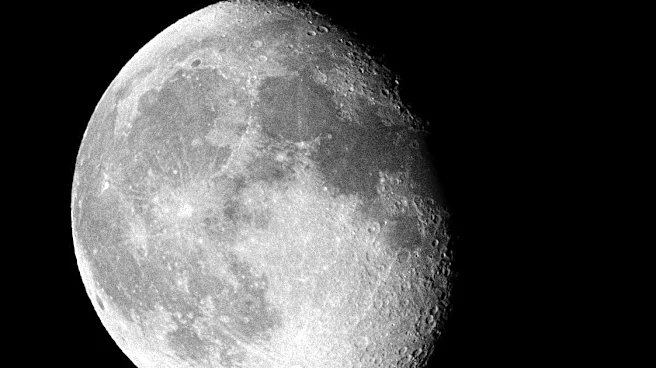

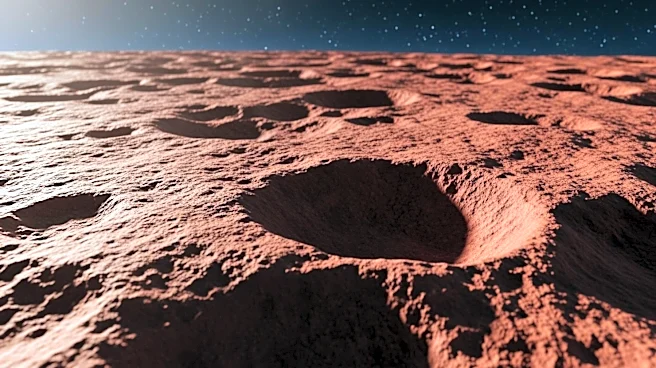

Surveyor 1 was not only a groundbreaking mission for its successful lunar landing but also for its pioneering work in lunar photography. The spacecraft was equipped with a television camera that transmitted over 11,000 images of the Moon's surface back to Earth. These images provided invaluable data and insights that were crucial for the planning of future lunar missions, including the Apollo program.
The Television Camera System
The television camera on Surveyor 1 was a sophisticated
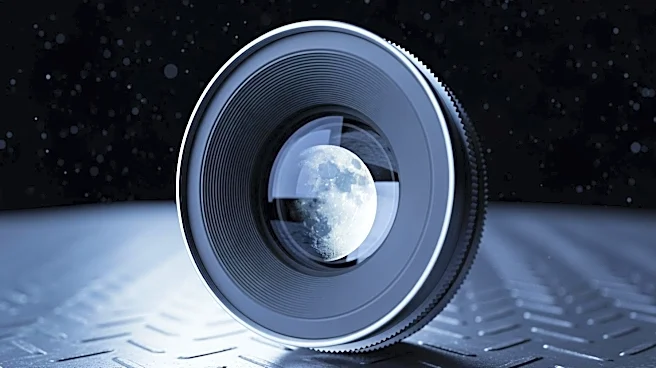
piece of technology for its time. It consisted of a vidicon tube, a zoom lens with focal lengths of 25 millimeters and 100 millimeters, and a set of optical filters. The camera was mounted under a mirror that could be moved in azimuth and elevation, allowing it to capture a wide range of images from different angles.
The camera's operation was dependent on receiving the proper radio commands from Earth. It could operate in two modes: a 200-line mode for initial photos and a 600-line mode for higher resolution images. The 200-line mode transmitted images over an omnidirectional antenna, while the 600-line mode used a directional antenna for clearer, more detailed pictures. This setup allowed Surveyor 1 to capture a variety of images, including wide-angle panoramas and detailed close-ups of the lunar surface.
Capturing the Lunar Surface
Surveyor 1's camera was instrumental in capturing the first detailed images of the Moon's surface. The images provided a wealth of information about the lunar terrain, including the texture and composition of the surface materials. The camera's ability to capture images from different angles and elevations allowed scientists to create composite mosaics of the lunar landscape.
These images were not only valuable for scientific analysis but also for public engagement. The photographs captured by Surveyor 1 were broadcast on television networks, allowing people around the world to see the Moon's surface in unprecedented detail. This helped to generate excitement and support for NASA's lunar exploration efforts.
Impact on Future Missions
The photographic data collected by Surveyor 1 played a crucial role in the planning of the Apollo missions. The images provided essential information about potential landing sites and helped to assess the safety and feasibility of crewed landings on the Moon. The success of Surveyor 1's camera system demonstrated the importance of photographic technology in space exploration.
Surveyor 1's pioneering work in lunar photography set the stage for future missions to capture even more detailed images of the Moon and other celestial bodies. The mission's success highlighted the potential of robotic spacecraft to gather valuable data and images, paving the way for more advanced exploration of our solar system.