





Jeans have come a long way from their humble beginnings as durable workwear to becoming a global fashion staple. Originally designed for manual laborers, jeans have evolved through various cultural shifts and technological advancements to become a symbol of style and rebellion. This article traces the journey of jeans from their inception to their current status in the fashion world.
Origins and Early Use
Jeans were first created as practical attire for manual workers.
The fabric, known as denim, originated from a French textile called serge de Nîmes. The term "jeans" itself is derived from the French word for Genoa, Italy, where a similar fabric was produced. In the 19th century, jeans were primarily worn by miners and laborers who needed durable clothing that could withstand harsh conditions.
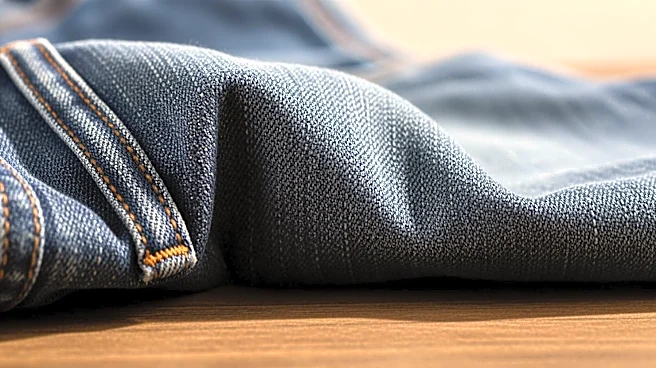
The addition of copper rivets by Jacob W. Davis in 1871, later patented with Levi Strauss in 1873, marked a significant innovation. These rivets reinforced the pocket seams, making jeans even more robust. This practical enhancement helped jeans gain popularity among workers, establishing them as essential workwear in the United States.
Cultural Shifts and Popularization
The transformation of jeans from workwear to a fashion item began in the 1950s. Hollywood icons like Marlon Brando and James Dean popularized jeans in films such as "The Wild One" and "Rebel Without a Cause." These movies portrayed jeans as a symbol of youthful rebellion, capturing the imagination of teenagers and young adults.
As the 1960s and 1970s rolled in, jeans became a staple in various youth subcultures. They were embraced by the counterculture movements of the time, further solidifying their association with nonconformity and individuality. Jeans were no longer just practical clothing; they became a statement of personal style and identity.
Modern Fashion and Global Influence
Today, jeans are one of the most popular types of trousers worldwide. They are available in a myriad of styles, from straight-leg to slim-fit, and come in various washes and colors. Historic brands like Levi's, Lee, and Wrangler continue to dominate the market, while new designers constantly innovate with cuts and treatments.
The versatility of jeans has made them a wardrobe staple for people of all ages and backgrounds. They are worn casually and have even found their way into more formal settings, reflecting their adaptability and enduring appeal. Jeans have transcended their origins to become a universal symbol of fashion, comfort, and self-expression.