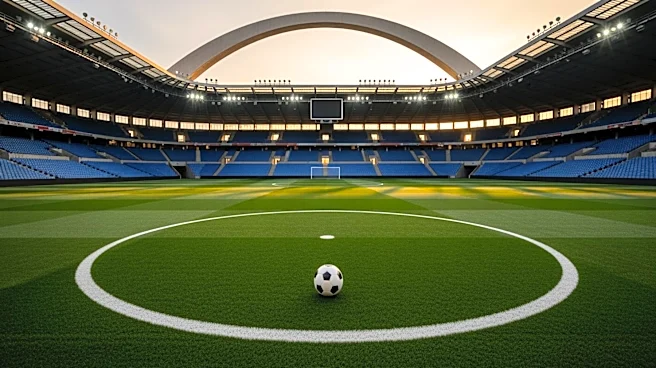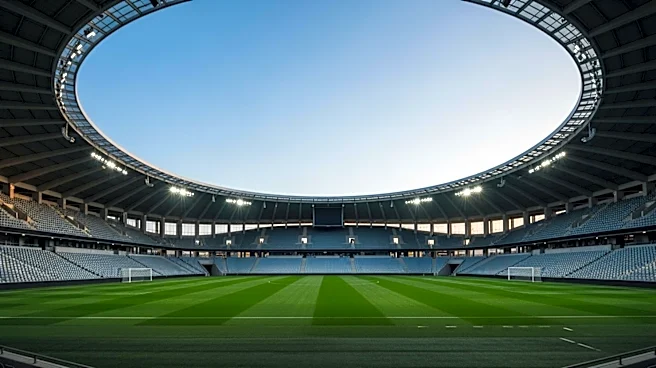

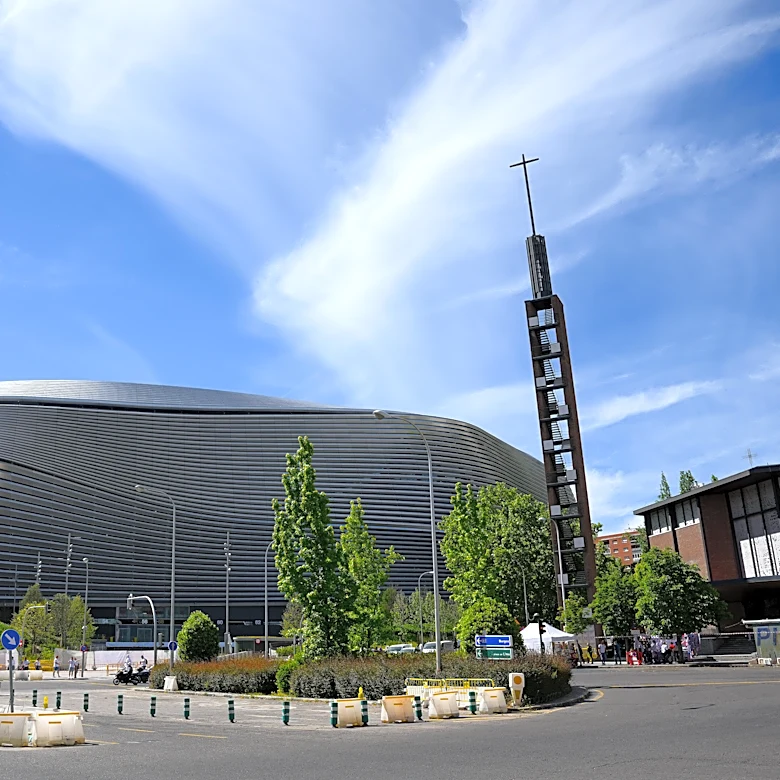





Max-Morlock-Stadion in Nuremberg, Germany, has long been a central venue for international sports events. Since its opening in 1928, the stadium has hosted a variety of significant competitions, showcasing its versatility and importance on the global sports stage. From the Olympics to the FIFA World Cup, Max-Morlock-Stadion has been a key player in bringing world-class sports to Nuremberg.
Olympic and Early International Events
The stadium's international journey began with its recognition
at the 1928 Summer Olympics in Amsterdam, where it was awarded for its architectural design. This early accolade set the stage for its future as a host of major sports events. In 1972, the stadium was one of the venues for the Summer Olympics, hosting six football matches. This event marked its first major international exposure, bringing athletes and spectators from around the world to Nuremberg.
In 1967, the stadium hosted the European Cup Winners' Cup final between Rangers and Bayern Munich, further cementing its status as a premier venue for international football. These early events laid the groundwork for the stadium's continued role in global sports.
The 2006 FIFA World Cup
One of the most notable events in the stadium's history was the 2006 FIFA World Cup. Max-Morlock-Stadion was one of the twelve venues selected to host matches during the tournament. It hosted five games, including the infamous match between Portugal and the Netherlands, known as the "Battle of Nuremberg" due to its intense and aggressive play.
The World Cup brought significant attention to the stadium, highlighting its capacity to host large-scale international events. The renovations completed in 2005 ensured that the stadium met the high standards required for such a prestigious tournament, showcasing its modern facilities and ability to accommodate thousands of fans.
Continuing Legacy and Future Events
Today, Max-Morlock-Stadion continues to be a sought-after venue for international sports events. Its modern facilities, including a large VIP area and state-of-the-art press rooms, make it an ideal location for hosting major competitions. The stadium's capacity and infrastructure allow it to accommodate a wide range of events, from football matches to concerts.
As Nuremberg looks to the future, Max-Morlock-Stadion remains a central part of the city's sports culture. Its legacy as a host of international events continues to grow, attracting new opportunities and ensuring its place as a key venue on the global sports stage.