




Kitchen utensils have been an essential part of food preparation for centuries, evolving significantly over time. From the rudimentary tools of ancient civilizations to the specialized gadgets of today, these utensils have adapted to meet the changing needs of cooks and the advancements in technology. This article delves into the historical progression of kitchen utensils, highlighting key developments and materials that have shaped their evolution.
Early Beginnings
The history of kitchen utensils dates back to ancient times when early humans used basic tools for food preparation. Initially, these tools were made from natural materials such as stones, bones, and wood. As civilizations advanced, so did the complexity and variety of kitchen utensils. The introduction of pottery allowed for the creation of more sophisticated cooking vessels, which could withstand heat and were used for boiling and baking.
In ancient Greece and Rome, kitchen utensils became more refined, with the use of metals like bronze and iron. These materials allowed for the creation of more durable and efficient tools, such as knives and pots. The development of metalworking techniques enabled the production of utensils that were not only functional but also aesthetically pleasing.
The Middle Ages to the 19th Century
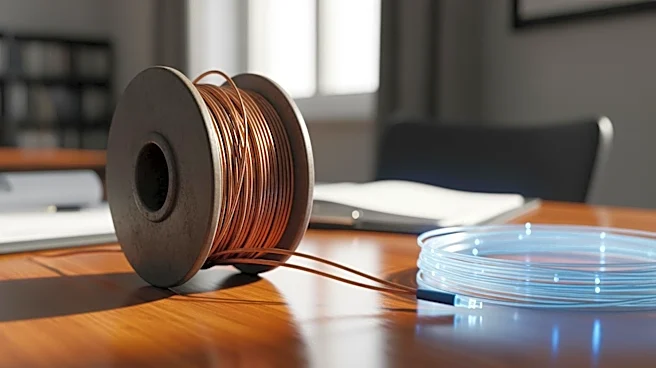
During the Middle Ages, kitchen utensils continued to evolve, with the introduction of new materials and designs. The use of copper became prevalent due to its excellent thermal conductivity, making it ideal for cooking. However, copper required careful maintenance to prevent tarnishing and was often lined with tin to prevent food from reacting with the metal.
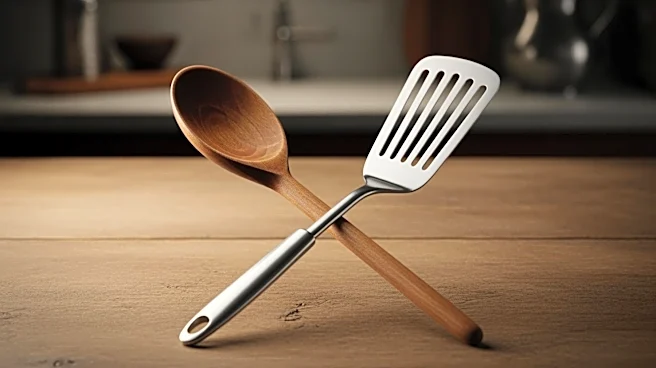
The 19th century marked a significant period of growth in the variety of kitchen utensils available. The industrial revolution brought about mass production, making utensils more accessible to the general public. This era saw the introduction of labor-saving devices, such as the rolling pin and the egg beater, which were designed to make cooking more efficient. The use of new materials, such as aluminum and stainless steel, further revolutionized kitchen utensils, offering durability and ease of maintenance.
Modern Innovations
In the 20th century, kitchen utensils underwent further transformation with the advent of new technologies and materials. The development of non-stick coatings, such as Teflon, revolutionized cookware by preventing food from sticking and making cleaning easier. Plastics also became a popular material for utensils, offering lightweight and versatile options for various kitchen tasks.
Today, kitchen utensils continue to evolve, with a focus on ergonomics and sustainability. Manufacturers are increasingly using eco-friendly materials and designs that cater to the needs of modern cooks. The rise of smart kitchen gadgets, such as digital thermometers and electric mixers, reflects the ongoing innovation in the field of kitchen utensils, making cooking more convenient and enjoyable for people around the world.