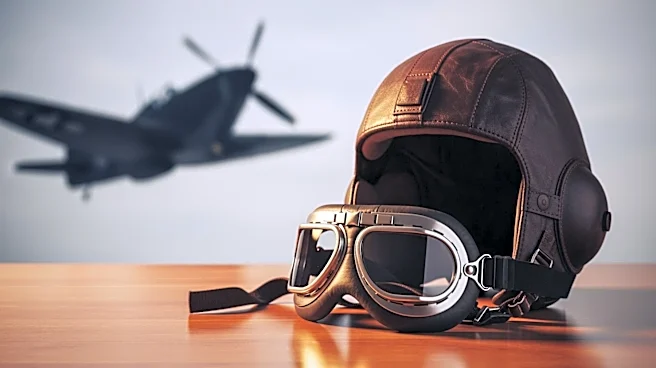







John Albert Axel Gibson was a notable figure in the Royal Air Force (RAF) during World War II. Born in Brighton, England, in 1916, Gibson's life was marked by his service as a flying ace and his contributions to the war effort. His career spanned several key battles and campaigns, and he was recognized for his bravery and skill in the air. This article explores the various stages of Gibson's military career, highlighting his achievements and the impact
he had on the RAF and the war.
Early Life and Entry into the RAF
John Gibson was born Axel John Albert von Wichmann in Brighton, England, in 1916. After his parents divorced, he moved to New Zealand with his mother in 1920. Gibson's early life in New Zealand was marked by his education at Auckland Grammar School and New Plymouth Boys' High School, where he excelled in sports, particularly rifle shooting. His interest in aviation led him to apply for a short-service commission with the RAF in 1937.
Upon acceptance, Gibson traveled to the United Kingdom in 1938 to begin his training. He changed his name to John Albert Axel Gibson before leaving New Zealand. His training included flying Blackburn B-2 trainer aircraft and later, Hawker Harts and Audaxes. By November 1938, he had earned his wings and was commissioned as an acting pilot officer. Gibson's early career in the RAF set the stage for his later achievements as a flying ace during World War II.
World War II Service and Achievements
Gibson's service during World War II began in earnest in May 1940 when he was posted to No. 501 Squadron, which was equipped with Hawker Hurricane fighters. He quickly adapted to the new aircraft and participated in several key battles, including the Battle of France and the Battle of Britain. During these engagements, Gibson demonstrated exceptional skill and bravery, shooting down multiple enemy aircraft.
In August 1940, Gibson was awarded the Distinguished Flying Cross for his actions during the Battle of Britain. His citation highlighted his courage and presence of mind, particularly during an encounter where he destroyed a Junkers 87 and safely steered his damaged aircraft away from a populated area before bailing out. Throughout the war, Gibson continued to distinguish himself, eventually being promoted to squadron leader and receiving the Distinguished Service Order for his service in the Pacific.
Post-War Career and Legacy
After World War II, Gibson's military career continued as he transferred to the Royal New Zealand Air Force (RNZAF) and later returned to the RAF. He served in various roles, including as a pilot for high-ranking military officials. Gibson's post-war career also included involvement in civil aviation in South Africa and Rhodesia, where he contributed to the development of commercial airlines.
Gibson's legacy as a flying ace and military leader is marked by his numerous awards and commendations. His contributions to the RAF and his role in key battles during World War II are remembered as significant achievements in military aviation history. Gibson's life and career serve as a testament to the bravery and skill of those who served in the RAF during one of the most challenging periods in history.
In conclusion, John Albert Axel Gibson's military career was characterized by his dedication, skill, and bravery. From his early days in New Zealand to his service in the RAF and beyond, Gibson's contributions to the war effort and his legacy as a flying ace continue to be celebrated. His story is a reminder of the impact that individuals can have in shaping the course of history through their service and sacrifice.