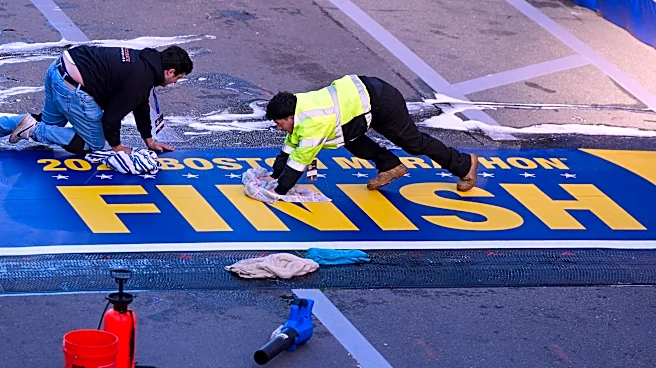




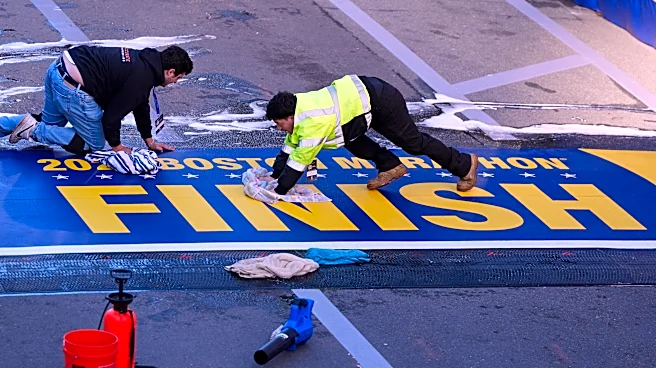


The Boston Marathon, one of the most prestigious long-distance running events, has a rich history that includes the gradual inclusion of women. This evolution is marked by the efforts of pioneering women like Sara Mae Berman, who challenged the norms and paved the way for future female athletes. Her story is intertwined with the broader narrative of women's fight for recognition in marathon running.
Early Challenges and Unofficial Victories
Before 1972, women were not officially allowed to
compete in the Boston Marathon. Despite this, several women, including Sara Mae Berman, participated unofficially, demonstrating their capabilities and challenging the status quo. Berman's unofficial victories from 1969 to 1971 were significant milestones in this journey.
Berman's participation and success in these marathons were not just personal achievements but also acts of defiance against the exclusionary policies of the time. Her performance, particularly her course record in 1970, highlighted the need for official recognition of female athletes in marathon events. Her wins were eventually made official in 1996, acknowledging her rightful place in the marathon's history.
The Official Inclusion of Women
The year 1972 marked a turning point for women in the Boston Marathon, as it was the first year they were officially allowed to compete. This change was a result of persistent efforts by female runners and advocates who fought for equal opportunities in the sport. Sara Mae Berman's role in this movement was crucial, as her unofficial victories brought attention to the capabilities of women runners.
In the first official women's race in 1972, Berman finished fifth, further solidifying her status as a leading figure in women's marathon running. Her participation in subsequent marathons continued to inspire and encourage more women to take up the sport, contributing to the growing acceptance and support for female athletes.
Lasting Impact and Recognition
Sara Mae Berman's contributions to the Boston Marathon and women's sports have been recognized through various honors, including her induction into the Road Runners Club of America Hall of Fame in 2015. Her legacy is a testament to the power of perseverance and the impact of challenging societal norms.
The evolution of women's participation in the Boston Marathon is a story of resilience and progress. Sara Mae Berman's journey from unofficial victories to official recognition reflects the broader struggle for gender equality in sports. Her legacy continues to inspire athletes and advocates, reminding us of the importance of inclusivity and equal opportunities in all areas of life.