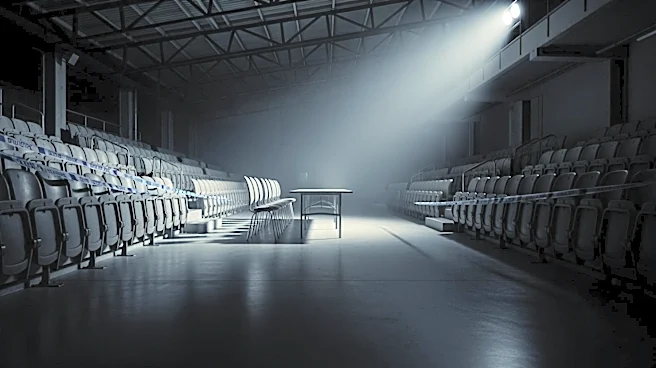

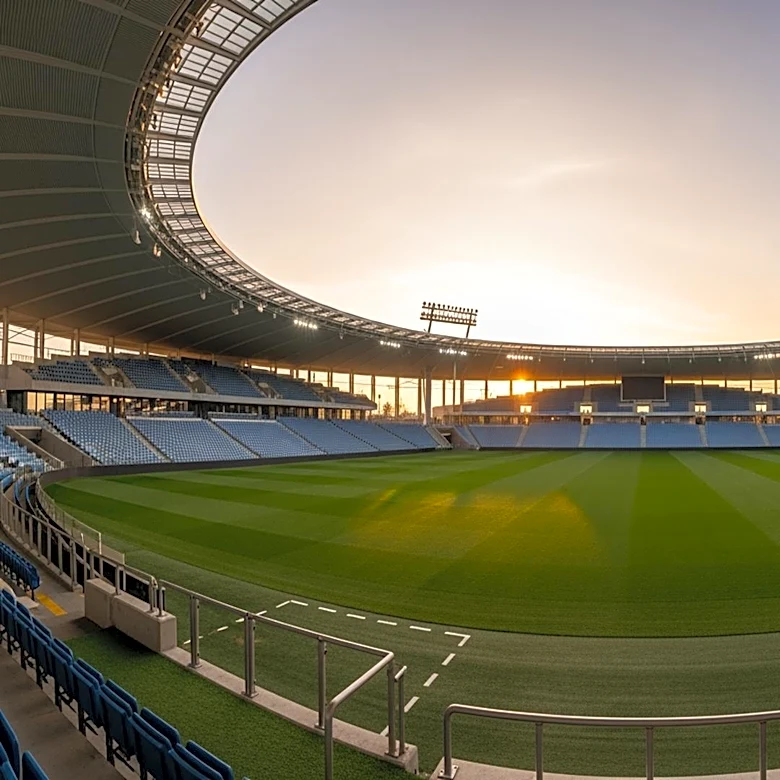



The Luzhniki disaster stands as one of the most tragic events in sports history, occurring during a UEFA Cup match between FC Spartak Moscow and HFC Haarlem on October 20, 1982. This deadly crowd crush took place at the Grand Sports Arena of the Central Lenin Stadium, now known as Luzhniki Stadium, in Moscow. The disaster resulted in the deaths of 66 people, mostly adolescents, and left 61 others injured. The circumstances surrounding this event were
not fully revealed until seven years later, making it Russia's worst sporting disaster.
The Events Leading to the Disaster
On the day of the match, Moscow was experiencing extraordinarily cold weather, with temperatures dropping to -10 °C (14 °F). Despite 82,000 tickets being available, only about 16,500 were sold due to the freezing conditions. The stadium management decided to open only two of the four stands for fans, the East Stand and the West Stand, to allow time for snow removal. Most fans, approximately 12,000, gathered at the East Stand, which was closer to the Metro station.
The match began at 7:00 pm, with Spartak Moscow taking the lead in the 16th minute. As the game neared its end, several hundred fans attempted to leave early to avoid the crowds at the Metro station. The crush occurred on Stairway 1 of the East Stand when a fan fell, causing a chain reaction as others stumbled over the fallen bodies. The situation worsened as more fans joined the crowd, unaware of the tragedy unfolding below.
Investigation and Trial
The investigation into the disaster was thorough, aligning with the new policies of Soviet leader Yuri Andropov, who sought to restore discipline in society. The Moscow Prosecutor's Office launched a criminal investigation, interviewing 150 witnesses and compiling 10 volumes of evidence. Stadium Director Victor Kokryshev and Stadium Manager Yuri Panchikhin were charged with negligence and sentenced to three years of imprisonment. However, Kokryshev was released due to a recent amnesty, and Panchikhin's sentence was halved.
Two other officials, Deputy Director K. Lyzhin and police chief Major S. Koryagin, were given amnesty due to medical reasons. Lyzhin suffered a heart attack, and Koryagin was injured while trying to prevent more people from entering the crush.
Media Coverage and Memorial
Initially, the Soviet media provided minimal coverage of the disaster, with only a short note in a local daily mentioning casualties. It wasn't until 1989, with the introduction of Glasnost, that the true number of fatalities was revealed. In 1992, a monument was erected near the site of the tragedy, and memorial matches have been held to honor the victims. Despite the passage of time, the Luzhniki disaster remains a somber reminder of the potential dangers in large sporting events.