


Hawaiʻi Volcanoes National Park is not only a geological marvel but also a cultural and ecological treasure. The park, located on the island of Hawaii, is home to a rich tapestry of ecosystems and a distinct Ancient Hawaiian culture. This article explores the cultural significance of the park and its diverse ecological landscapes, highlighting the unique interplay between nature and culture.
Cultural Significance
The cultural significance of Hawaiʻi Volcanoes National Park
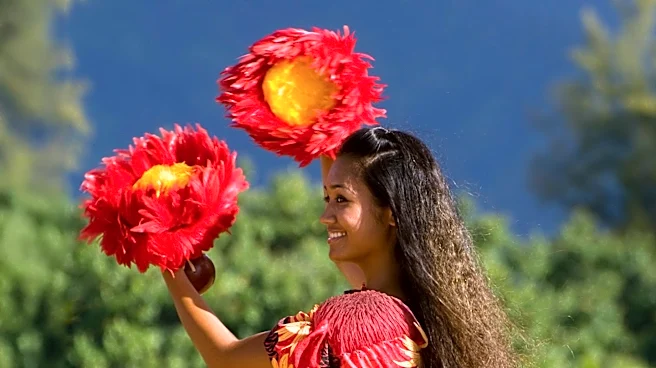
is deeply rooted in the traditions and beliefs of the Hawaiian people. The park is home to Kīlauea, one of the most active volcanoes in the world, which is considered the body of Pele, the Hawaiian goddess of fire, lightning, wind, and volcanoes. According to Hawaiian mythology, Pele's presence is felt throughout the park, and her influence is evident in the volcanic landscapes that dominate the region.
The park's landscapes are not only a testament to the power of nature but also a reflection of the cultural heritage of the Hawaiian people. The park's designation as an International Biosphere Reserve in 1980 recognizes its cultural significance and the importance of preserving the unique traditions and beliefs associated with the volcanic activity. The park serves as a living museum, offering visitors a glimpse into the rich cultural history of the Hawaiian Islands.
Ecological Diversity
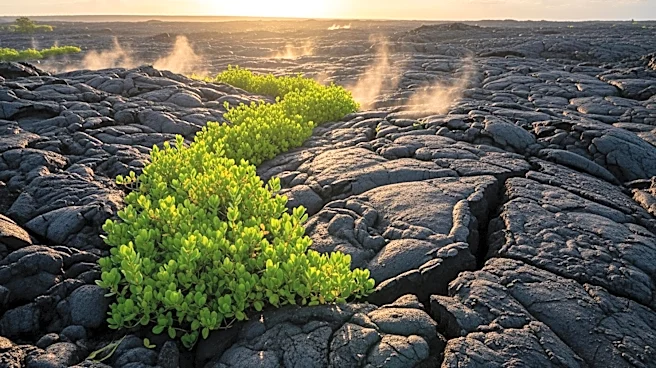
Hawaiʻi Volcanoes National Park is home to a diverse range of ecosystems, shaped by the volcanic activity that has defined the region for millions of years. The park's landscapes support a variety of plant and animal species, many of which are endemic to the Hawaiian Islands. The park's ecosystems range from lush rainforests to barren volcanic deserts, each offering a unique habitat for the region's flora and fauna.
The park's ecological diversity is a result of the varied climatic conditions and the influence of volcanic activity. The northern part of the park receives more rainfall, supporting a lowland wet community, while the southern regions are drier, creating a lowland dry environment. This diversity of habitats supports a wide range of species, including the endangered nēnē (Hawaiian goose) and the ʻio (Hawaiian hawk).
Conservation Efforts
The conservation of Hawaiʻi Volcanoes National Park is a priority for the National Park Service, which manages the park. Efforts are focused on preserving the park's unique ecosystems and cultural heritage while accommodating the growing number of visitors. The park's designation as a UNESCO World Heritage Site in 1987 underscores its global significance and the importance of protecting its natural and cultural resources.
Through ongoing conservation efforts, Hawaiʻi Volcanoes National Park continues to be a vital site for scientific research, education, and cultural preservation. The park offers visitors a unique opportunity to experience the rich cultural and ecological diversity of the Hawaiian Islands, providing a window into the dynamic interplay between nature and culture.