
Matsyasana, or Fish Pose, is a reclining back-bending asana that is integral to both Hatha Yoga and modern yoga practices. Known for its ability to stretch the chest and strengthen the spine, Matsyasana is a pose that offers both physical and spiritual benefits. This article delves into the physical execution of Matsyasana and explores its various adaptations to suit different practitioners.
Basic Execution of Matsyasana
The basic execution of Matsyasana involves lying on the back
and lifting the heart chakra by rising up on the elbows. The shoulders are drawn back, and the neck is lengthened, with the crown of the head pointed toward the wall behind the practitioner. As the arch of the back deepens with practice, the heart and throat open further, allowing the top of the head to brush the ground without resting any weight on it.
This posture is designed to open the chest and throat, promoting better breathing and circulation. It is considered a counterasana to Sarvangasana, or shoulder stand, within the Ashtanga Vinyasa Yoga Primary Series. The pose encourages practitioners to focus on their breath, enhancing lung capacity and promoting relaxation.
Variations of Matsyasana
Matsyasana offers several variations to accommodate different levels of flexibility and experience. For practitioners unable to perform Padmasana with the legs, the pose can be adapted with straight legs on the ground or with knees bent and feet on the floor. This variation allows practitioners to experience the benefits of Matsyasana without the need for advanced leg positioning.
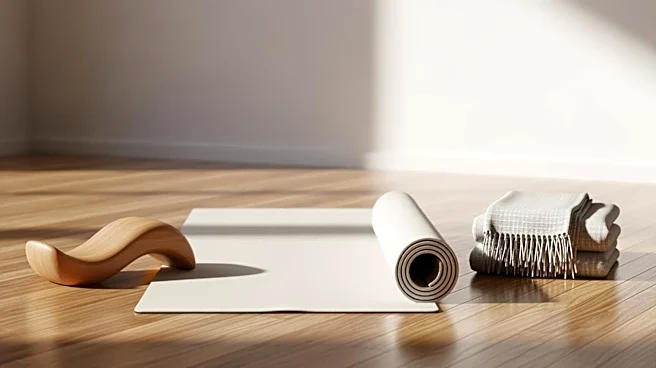
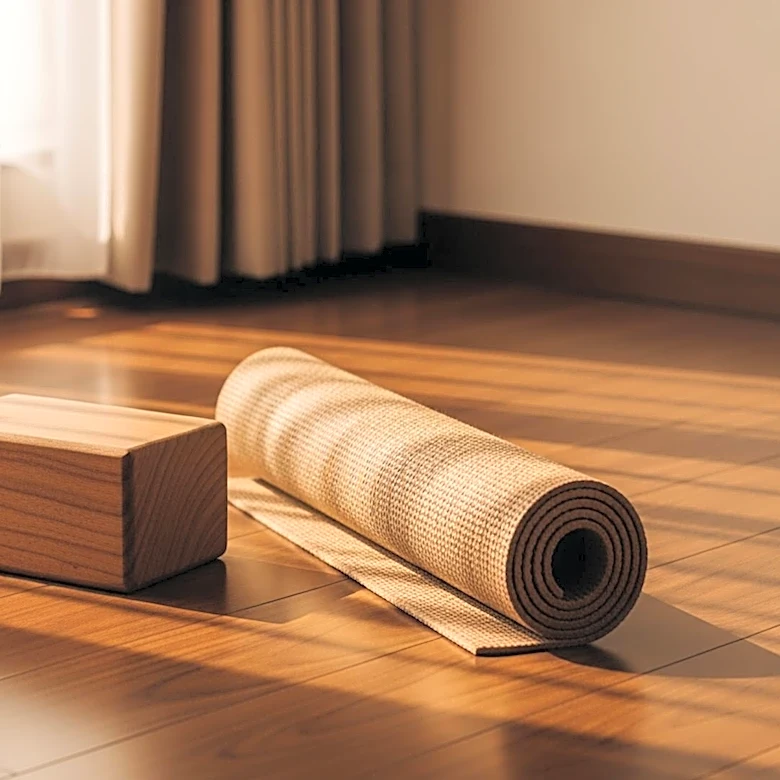
Another variation involves lifting the legs off the ground for a more challenging experience. The hands may be placed before the heart in Anjali Mudra, adding difficulty to the pose. Additionally, Matsyasana can be supported with a bolster under the back and a cushion under the knees, providing comfort and stability for those new to the pose.
Adapting Matsyasana for Accessibility
For practitioners who find the traditional execution of Matsyasana challenging, adaptations are available to make the pose more accessible. Swami Vishnudevananda offers a variant with straight legs, where the practitioner begins in a supine position and uses the elbows to lift the chest, bending the neck backward until the crown of the head touches the ground.
The Sivananda Yoga Vedanta Center provides a similar adaptation, emphasizing the placement of hands under the thighs with palms facing down. This modification helps bring the elbows closer together under the back, enhancing the arch and opening of the chest. These adaptations ensure that Matsyasana can be practiced by individuals of varying flexibility and experience, allowing them to enjoy the physical and spiritual benefits of the pose.