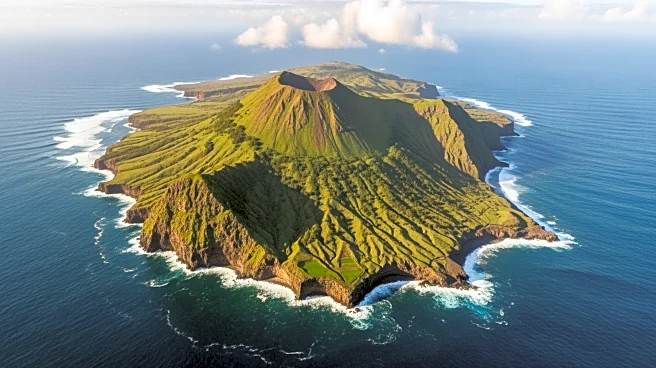




The Canary Islands, an archipelago located off the northwest coast of Africa, are renowned for their stunning geographical features and natural beauty. This article delves into the unique geography of the Canary Islands, highlighting their diverse landscapes and ecological significance.
Volcanic Origins and Landscapes
The Canary Islands are volcanic in origin, formed by the Canary hotspot. This geological activity has given rise to a diverse range of landscapes, from rugged mountains
to lush forests and arid deserts. The islands' volcanic history is most evident in Tenerife's Mount Teide, the highest peak in Spain and the third tallest volcano in the world.
Each island in the archipelago boasts its own unique geographical features. For instance, Lanzarote is known for its recent volcanic activity and striking lava fields, while La Palma is characterized by its lush greenery and dramatic cliffs. The islands' varied topography offers a wealth of opportunities for outdoor activities and exploration.
Climate and Biodiversity
The Canary Islands enjoy a subtropical climate, with warm temperatures year-round. The climate varies across the islands, influenced by factors such as elevation and proximity to the African mainland. This variation creates distinct microclimates, supporting a wide range of flora and fauna.
The islands are home to several endemic species, including the Canary Island pine and the dragon tree. The diverse ecosystems range from subtropical laurisilva forests to semi-desert areas, providing habitats for a variety of wildlife. The islands' high mountains are also ideal for astronomical observation, with observatories located on Tenerife and La Palma.
Natural Attractions and Conservation
The Canary Islands are a haven for nature lovers, offering numerous national parks and protected areas. Four of Spain's thirteen national parks are located in the Canary Islands, including Teide National Park and Garajonay National Park, both UNESCO World Heritage Sites.
Efforts to conserve the islands' unique ecosystems are ongoing, with several areas designated as biosphere reserves. These conservation initiatives aim to protect the islands' natural beauty and biodiversity while promoting sustainable tourism and development.
In summary, the Canary Islands are a geographical marvel, offering a rich tapestry of landscapes and natural wonders. Their volcanic origins, diverse climates, and unique biodiversity make them a fascinating destination for travelers and researchers alike. The islands' commitment to conservation ensures that their natural beauty will be preserved for future generations to enjoy.