





The leather jacket has undergone a fascinating transformation from its utilitarian roots to becoming a symbol of style and rebellion. Originally designed for practical purposes, leather jackets have been embraced by various subcultures and fashion enthusiasts alike. This article delves into the historical journey of the leather jacket, highlighting its evolution from military gear to a fashion icon.
Military Beginnings
The leather jacket's history can be traced back to the early
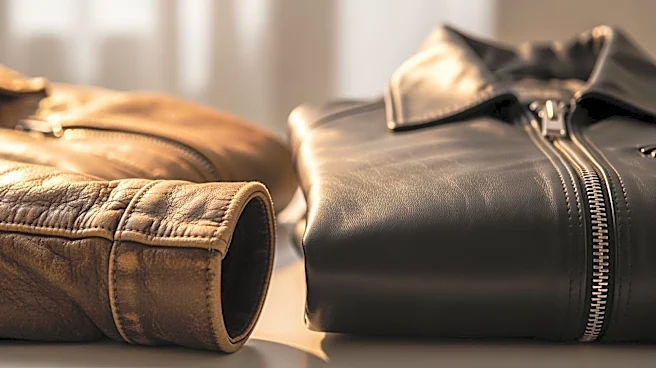
1900s when aviators and military personnel donned brown leather flight jackets. These garments were prized for their warmth and durability, essential qualities for those exposed to harsh conditions at high altitudes. During World War II, these jackets became known as "bomber jackets," heavily insulated to protect pilots from the extreme cold. The use of sheepskin, with the fleece intact on the inside, added an extra layer of warmth, making them indispensable for military aviators.
The military's adoption of leather jackets set the stage for their widespread popularity. The jackets were not only functional but also exuded a rugged, masculine appeal that resonated with the public. As soldiers returned home, they brought with them the allure of the leather jacket, which soon found its way into civilian wardrobes.
Cultural Impact and Subcultures
As the leather jacket transitioned from military use to civilian fashion, it became a staple in various subcultures. In the 1950s and 60s, the "greaser" subculture embraced the leather jacket as a symbol of rebellion and nonconformity. Popularized by figures like Marlon Brando in "The Wild One," the leather jacket became synonymous with a cool, edgy persona.
The jacket's association with subcultures continued to evolve, finding a place among punks, goths, and metalheads. Each group adopted the leather jacket to express their unique identities, often customizing it with studs, patches, and other embellishments. This customization allowed wearers to make a personal statement, further cementing the jacket's role as a symbol of individuality and defiance.
Fashion and Function
While the leather jacket's cultural significance grew, its practical uses remained relevant. Motorcyclists, in particular, valued leather jackets for their protective qualities. Designed as safety equipment, these jackets were heavier and thicker, often equipped with armor to safeguard riders in the event of an accident. Features like substantial zips, weatherproof pockets, and high collars made them ideal for withstanding the elements.
In the fashion world, leather jackets have become a versatile wardrobe staple. Designers have experimented with various colors, cuts, and styles, ensuring the jacket's continued relevance. From high fashion runways to everyday streetwear, the leather jacket's appeal is universal, transcending age, gender, and cultural boundaries.
The leather jacket's journey from military gear to fashion icon is a testament to its enduring appeal. Whether worn for protection or style, it remains a powerful symbol of rebellion, individuality, and timeless cool.