

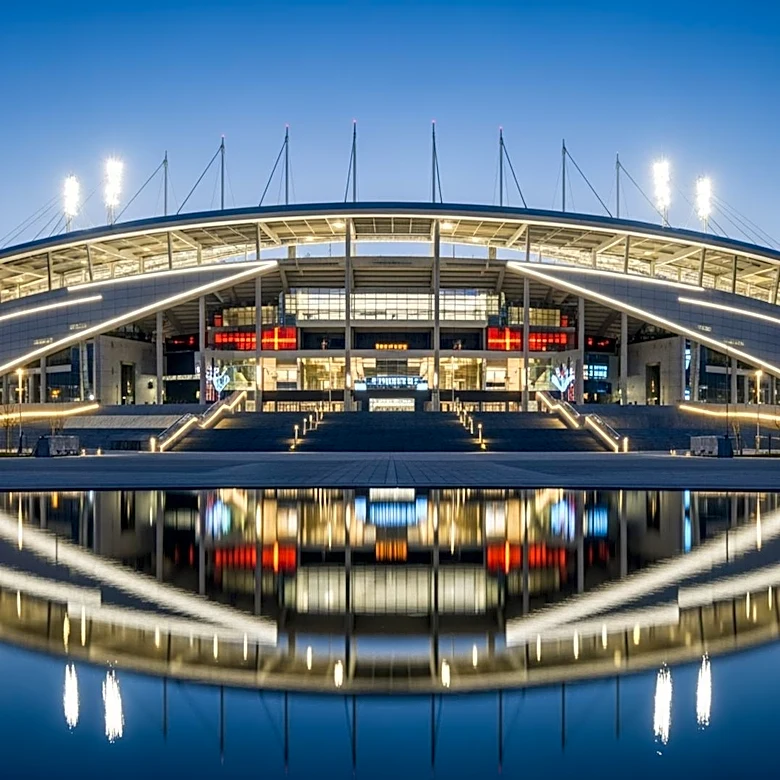
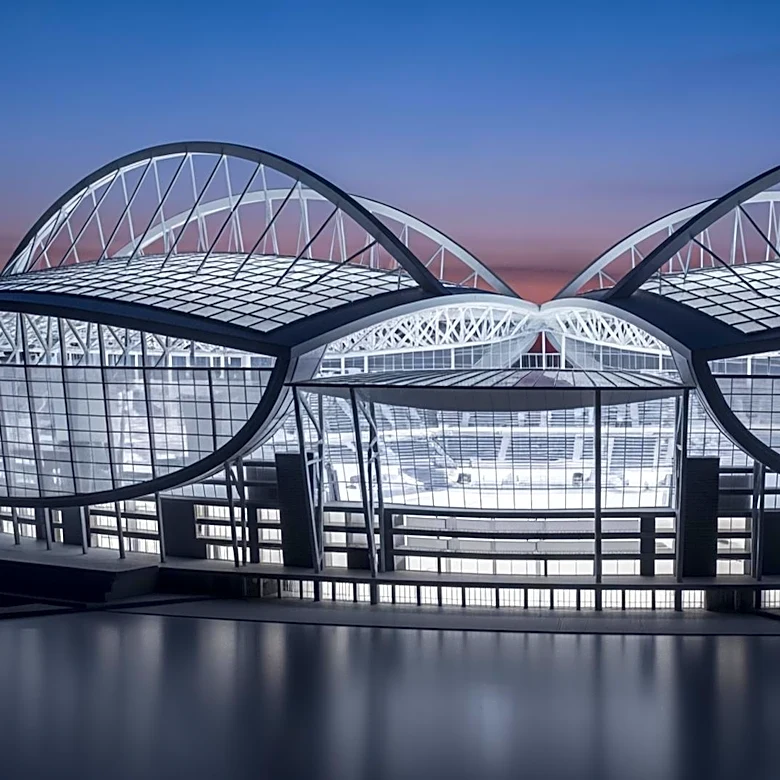
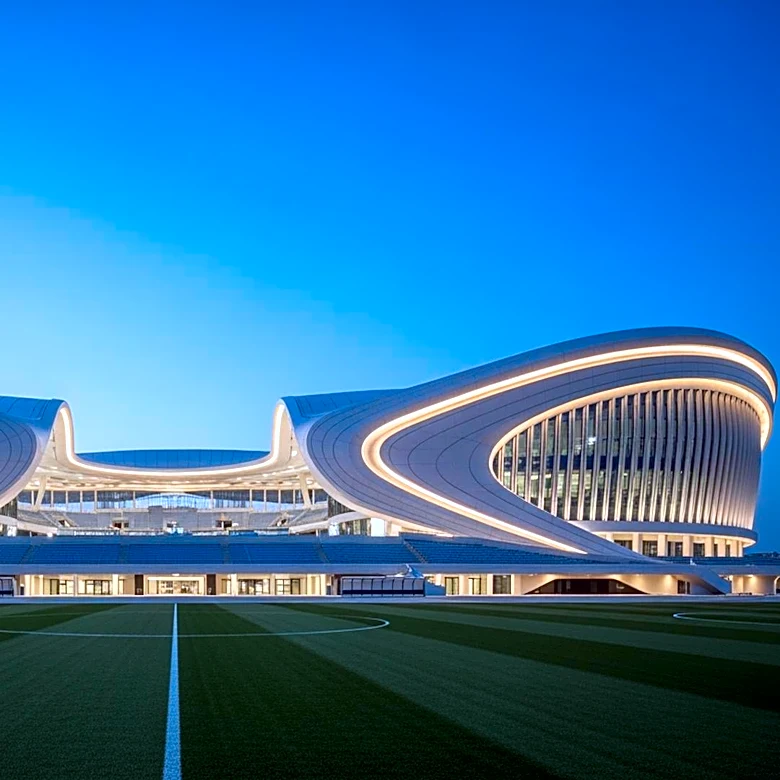

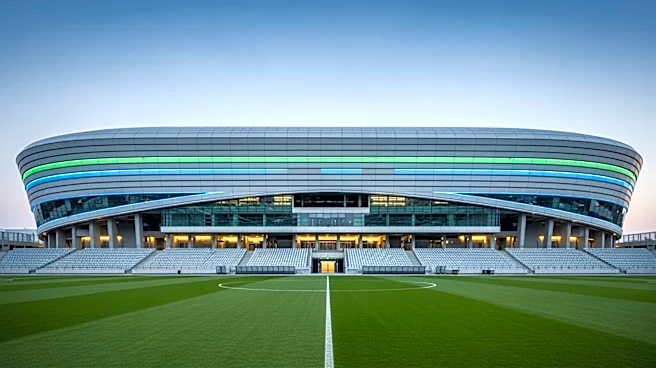
Estadio Centenario in Montevideo, Uruguay, is more than just a football stadium; it is a cultural and sporting icon. Since its construction for the 1930 FIFA World Cup, it has become a symbol of national pride and a testament to Uruguay's rich football tradition. This article explores the cultural and sporting impact of Estadio Centenario, highlighting its role in shaping Uruguay's identity and its influence on the global football stage.
A Symbol of National Pride
Estadio Centenario
holds a special place in the hearts of Uruguayans. Built to commemorate the centenary of Uruguay's Constitution, it represents the country's commitment to excellence in sports and its historical achievements. The stadium's inauguration during the first FIFA World Cup, where Uruguay emerged victorious, further solidified its status as a national treasure.
The stadium's grandstands, named after Uruguay's Olympic victories, reflect the nation's sporting achievements and serve as a reminder of its proud history. The Olympic Tribune, for instance, honors the country's back-to-back Olympic championships in 1924 and 1928. These elements contribute to the stadium's cultural significance, making it a symbol of Uruguay's enduring legacy in the world of sports.
Hosting International Events
Estadio Centenario has been a key venue for international sporting events, enhancing its reputation as a global icon. Over the years, it has hosted numerous Copa América tournaments, South American Youth Championships, and other prestigious competitions. These events have not only showcased Uruguay's passion for football but have also brought international attention to the stadium.
The stadium's ability to host major events was further demonstrated in 2021 when it was selected for the finals of the Copa Libertadores and Copa Sudamericana. The renovations undertaken for these events ensured that Estadio Centenario remained a world-class venue, capable of accommodating the needs of modern football.
A Legacy of Influence
Beyond its role in hosting events, Estadio Centenario has influenced the development of football in Uruguay and beyond. It has been a training ground for generations of Uruguayan players, many of whom have gone on to achieve international success. The stadium's atmosphere, known for its passionate fans and challenging conditions, has also contributed to its legendary status.
As Uruguay prepares to co-host the 2030 FIFA World Cup, Estadio Centenario's legacy continues to grow. Its selection as a venue for the centennial celebration of the World Cup underscores its importance in the history of football. As a cultural and sporting icon, Estadio Centenario remains a testament to Uruguay's rich heritage and its ongoing influence in the world of sports.