


Puerto Rico's political status has undergone significant changes over the centuries, reflecting its complex history and relationship with colonial powers. From its early days under Spanish rule to its current status as a U.S. territory, Puerto Rico's journey is marked by pivotal events and decisions that have shaped its identity and governance.
Spanish Colonial Era
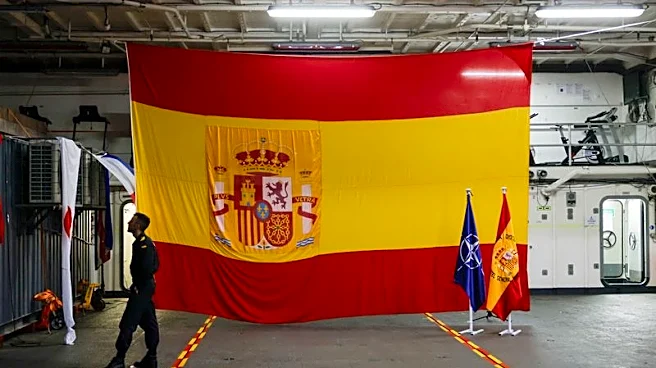
Puerto Rico was first settled by the Spanish in the early 16th century, becoming a key military post in the Spanish Empire.
The island played a strategic role during wars between Spain and other European powers, serving as a defense point for the Spanish fleet. The Spanish influence was profound, with the establishment of Catholicism and the introduction of European cultural elements.
During this period, Puerto Rico's economy was primarily based on agriculture, with sugar cane and coffee being major exports. The island's population was a mix of Indigenous Taíno people, African slaves, and Spanish settlers, creating a unique cultural blend that persists today.
Transition to U.S. Control
The Spanish-American War of 1898 marked a turning point for Puerto Rico. As a result of the war, Spain ceded Puerto Rico to the United States under the Treaty of Paris. This transition brought about significant changes, including the introduction of American political and economic systems.
In 1917, the Jones-Shafroth Act granted U.S. citizenship to Puerto Ricans, allowing them to move freely between the island and the mainland. However, despite being U.S. citizens, Puerto Ricans were disenfranchised from federal elections, a status that remains unchanged.
Commonwealth Status
In 1952, Puerto Rico's political status evolved once again with the establishment of the Commonwealth of Puerto Rico. This new status allowed for greater self-governance, with Puerto Ricans electing their own governor and legislative assembly. The island's official name became the Commonwealth of Puerto Rico, reflecting its unique relationship with the United States.
Despite these changes, debates over Puerto Rico's political status continue. Discussions around statehood, independence, and maintaining the current commonwealth status are ongoing, reflecting the island's complex identity and aspirations.
Puerto Rico's political evolution is a testament to its resilience and adaptability. As the island navigates its future, understanding its past is crucial in shaping its path forward.