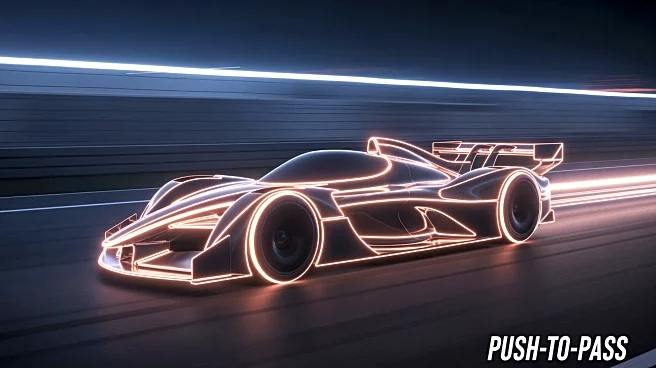




Push-to-pass systems have become a significant feature in modern auto racing, providing drivers with a temporary boost in power to facilitate overtaking. This system is designed to make races more exciting by increasing the opportunities for drivers to pass their competitors. Used in several racing series, push-to-pass systems have evolved to suit the specific needs of each competition, enhancing the overall spectacle of the sport.
How Push-to-Pass Works
Push-to-pass systems
are typically activated by a button on the steering wheel, allowing drivers to temporarily increase their car's power. This boost can come from various mechanisms, such as changing engine modes or utilizing energy stored in an extra battery. The system is designed to make overtaking easier, thereby increasing the excitement of the race for both drivers and spectators.
In the IndyCar Series, for example, drivers are allocated between 150 and 200 seconds of extra power per race. They can use this power in bursts of up to 20 seconds at a time, giving them a minimum of 10 opportunities to activate the system during a race. This strategic element adds another layer of complexity to the race, as drivers must decide when to use their limited power boosts.
Push-to-Pass Across Different Racing Series
Several racing series have adopted push-to-pass systems, each with its own unique implementation. The former Champ Car series and the A1GP series, which referred to their system as PowerBoost, were among the early adopters. More recently, the Audi Sport TT Cup, DTM, Indy Lights, and Super Formula have incorporated similar systems.
In the Formula Regional European Championship, the push-to-pass system allows drivers to use the extra power five times per race, with each activation lasting up to 15 seconds. This system is designed to be used at any time during the race, providing drivers with flexibility in their strategy.
Strategic Use of Push-to-Pass
The push-to-pass system is not limited to overtaking. Drivers can also use it to defend their position or improve their lap times during qualifying. This versatility makes it a valuable tool in a driver's arsenal, allowing them to adapt to different race situations.
The strategic use of push-to-pass adds an exciting dimension to racing, as drivers must carefully manage their power boosts to maximize their advantage. This element of strategy can often be the difference between winning and losing, making push-to-pass a crucial component of modern auto racing.