



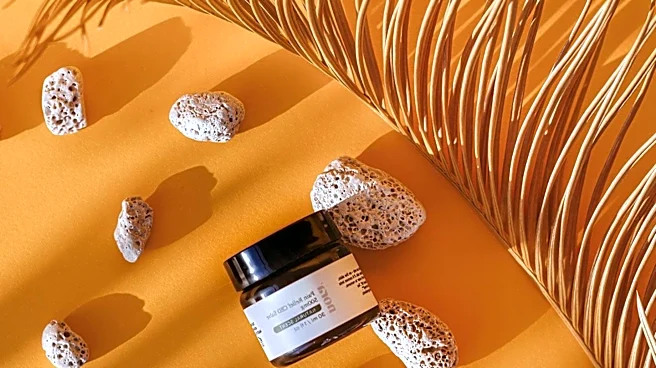

Exfoliation is a key component of skincare routines, aimed at removing dead skin cells from the surface of the skin. This process not only promotes skin renewal but also enhances the overall appearance and health of the skin. Exfoliation can be achieved through various methods, including mechanical and chemical techniques, each offering unique benefits. Understanding these methods and their effects can help individuals choose the best approach for
their skin type and concerns.
Mechanical Exfoliation Techniques
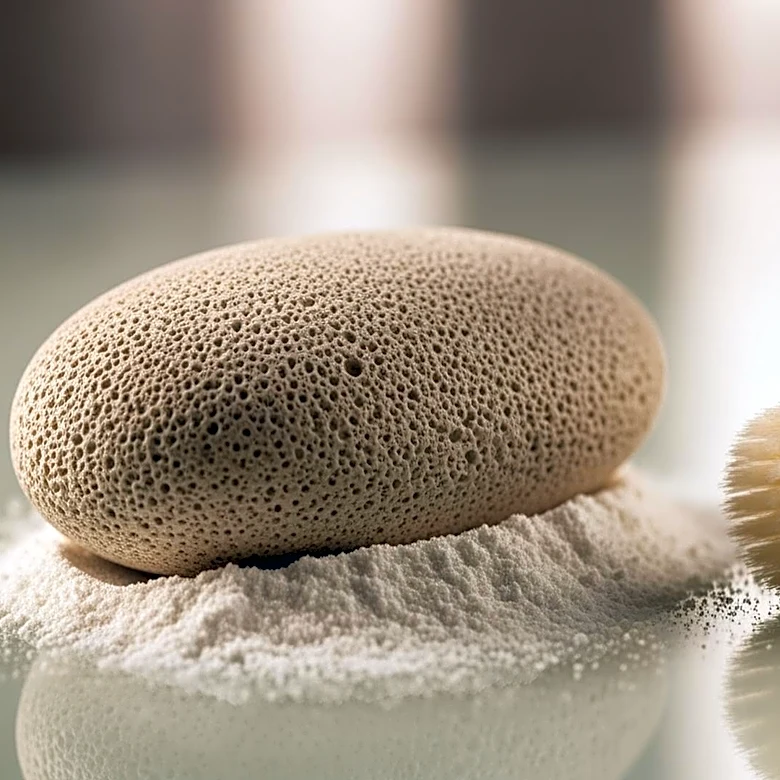
Mechanical exfoliation involves physically scrubbing the skin with abrasive materials. Common tools used for this method include microfiber cloths, loofahs, brushes, and pumice stones. These materials help to slough off dead skin cells, leaving the skin feeling smooth and refreshed. Microbead scrubs, which contain small plastic spheres, are another popular mechanical exfoliant. These beads polish the skin by removing dead cells from the top layer.
While mechanical exfoliation can be effective, it is important to choose the right tool for your skin type. For instance, individuals with dry skin should avoid exfoliants containing pumice, as it can be too harsh. Instead, gentler options like microfiber cloths or loofahs may be more suitable. Proper care of exfoliation tools, such as rinsing and drying them after use, is essential to prevent bacterial growth.
Chemical Exfoliation Methods
Chemical exfoliation, also known as chemical peeling, utilizes chemical substances to remove dead skin cells. These exfoliants contain alpha-hydroxy acids (AHAs), beta hydroxy acids (BHAs), and enzymes that weaken cell adhesion, allowing them to be easily removed. AHAs are effective in clearing the outer layer of the skin, while BHAs penetrate deeper to clean from within.
Chemical exfoliants are available in various forms, including cleansers, scrubs, and peels. They can be applied in high concentrations by professionals or in lower concentrations through over-the-counter products. This method is particularly beneficial for treating acne and improving skin texture. However, it is crucial to follow usage instructions carefully to avoid over-exfoliation, which can lead to irritation and barrier damage.
Benefits and Considerations of Exfoliation
Exfoliation offers numerous benefits, such as improved skin texture, increased cell turnover, and enhanced absorption of skincare products. It can also help clear blocked pores, reduce acne, and improve the appearance of scars. However, it is important to exfoliate in moderation, as excessive exfoliation can compromise the skin's natural barrier and lead to sensitivity.
Choosing the right exfoliation method depends on individual skin type and concerns. Those with sensitive skin may benefit from gentler chemical exfoliants, while individuals with oily skin might prefer mechanical methods. Regardless of the chosen method, incorporating exfoliation into a regular skincare routine can lead to healthier, more radiant skin.