



First aid kits have come a long way from their humble beginnings as simple collections of basic medical supplies. Over time, they have evolved to meet the diverse needs of different environments and situations. This article explores the historical development of first aid kits, highlighting key milestones and changes that have shaped their contents and usage.
Early Beginnings
The concept of first aid kits can be traced back to the late 19th century when the need for
organized medical supplies became apparent. Initially, these kits were simple collections of bandages and antiseptics, designed to provide immediate care for minor injuries. As the understanding of medical care advanced, so did the contents of these kits.
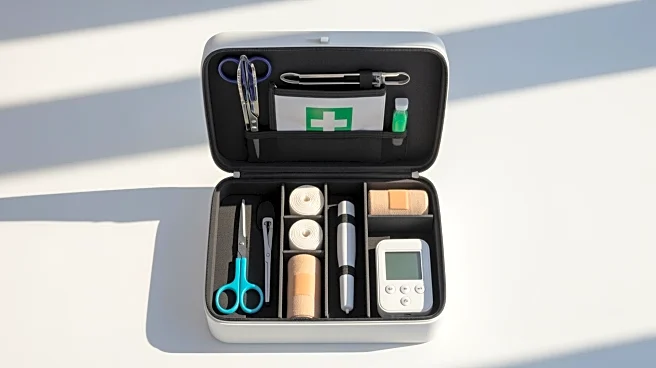
In the early 20th century, first aid kits began to include more specialized items, such as dressings for specific types of wounds and basic tools like scissors and tweezers. This period marked the beginning of a more systematic approach to first aid, with kits being tailored to specific environments, such as workplaces and vehicles.
Standardization and Regulation
As the importance of first aid kits grew, so did the need for standardization. In many countries, regulations were introduced to ensure that first aid kits met certain specifications. For example, in the United States, workplace first aid kits must conform to the ANSI/ISEA Z308.1-2021 standard, which classifies kits based on anticipated hazards and container durability.
Similarly, in Germany, motor vehicle first aid kits must comply with DIN 13164:2022, which specifies a standard set of supplies required for passenger cars. These regulations have helped ensure that first aid kits are equipped to handle common injuries and emergencies, providing a reliable resource for immediate medical care.
Modern Innovations
Today, first aid kits are more advanced than ever, with specialized kits available for various settings, including wilderness expeditions and combat situations. Modern kits often include items like hemostatic agents to promote clotting for severe bleeding and personal protective equipment to prevent infection.
The evolution of first aid kits reflects the growing understanding of medical care and the need for preparedness in diverse situations. As technology and medical knowledge continue to advance, first aid kits will likely continue to evolve, providing even more comprehensive care for those in need.