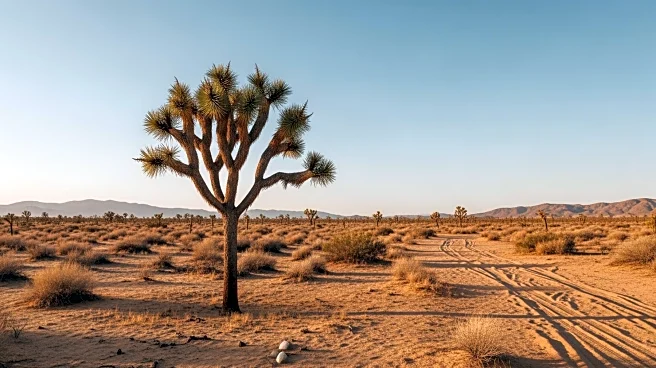


The Mojave Desert, with its unique ecosystem and diverse species, faces significant challenges due to human activities. As urbanization and development increase, the need for effective conservation efforts becomes more critical. This article examines the impact of human activities on the Mojave Desert and the ongoing efforts to preserve its natural environment.
Human Activities and Their Impact
Human activities have significantly impacted the Mojave Desert, particularly through urbanization
and development. The expansion of major urban centers like Las Vegas and Los Angeles has led to habitat loss and degradation. The demand for landfill space and agricultural development along the Colorado River further exacerbates these issues, threatening the delicate balance of the desert ecosystem.
Military installations in the Mojave Desert also play a role in its human impact. The desert serves as a critical training location for the United States Department of Defense, with installations like Edwards Air Force Base and Naval Air Weapons Station China Lake. While these facilities are essential for national security, they contribute to habitat disruption and pose challenges for conservation efforts.
Conservation Efforts
In response to the growing threats, various conservation efforts have been implemented to protect the Mojave Desert. The California Desert Protection Act of 1994 was a significant milestone, designating 69 wilderness areas and establishing Death Valley National Park, Joshua Tree National Park, and the Mojave National Preserve. These protected areas aim to preserve the desert's unique ecosystem and biodiversity.
The Desert Renewable Energy Conservation Plan (DRECP) further enhances conservation efforts by designating millions of acres of public land as protected wilderness. This plan aims to balance renewable energy development with the preservation of natural habitats, ensuring that the desert's ecological integrity is maintained.
Challenges and Future Directions
Despite these efforts, the Mojave Desert continues to face challenges from human activities. Off-road vehicles, recreational use, and agricultural grazing pose ongoing threats to the desert's ecosystem. Conservationists emphasize the importance of sustainable practices and increased awareness to mitigate these impacts.
Future conservation efforts must focus on addressing the root causes of habitat loss and degradation. Collaborative efforts between government agencies, conservation organizations, and local communities are essential to ensure the long-term preservation of the Mojave Desert. By prioritizing conservation and sustainable development, we can protect this unique ecosystem for future generations.
The Mojave Desert's conservation story is a testament to the resilience of nature and the importance of human responsibility in preserving our planet's natural heritage. Through continued efforts and awareness, we can ensure that the Mojave Desert remains a thriving and vibrant ecosystem.