
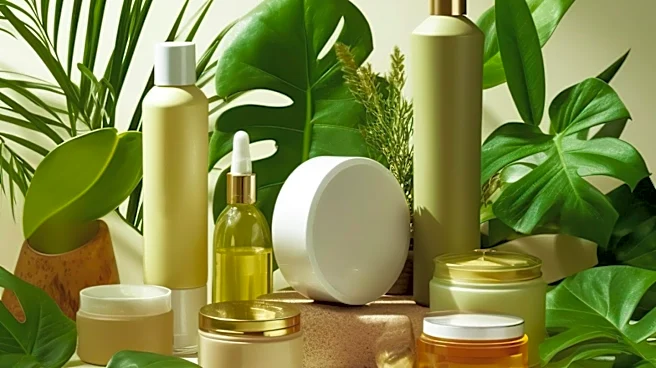
Lanolin, a waxy substance derived from the sebaceous glands of wool-bearing animals, is a versatile material with a wide range of applications. Known also as wool fat or wool grease, lanolin is primarily obtained from domestic sheep breeds raised for their wool. Its unique properties make it a valuable component in numerous products, from cosmetics to industrial lubricants. This article delves into the various uses of lanolin, highlighting its significance
in different sectors.
Lanolin in Personal Care Products
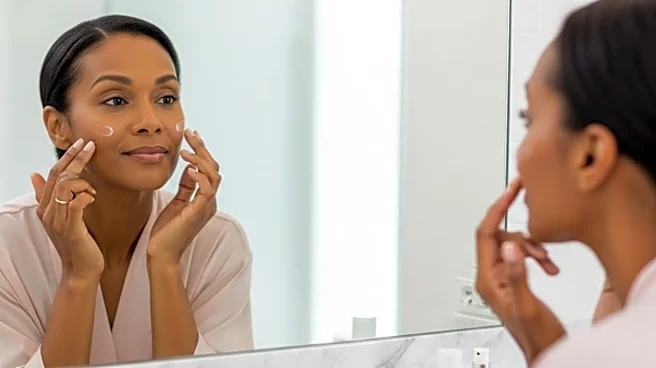
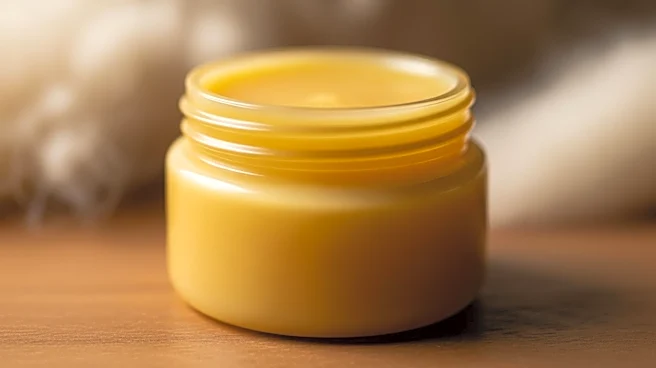
Lanolin is a popular ingredient in personal care products due to its moisturizing and protective qualities. It is commonly found in cosmetics, facial creams, and lip products, where it helps to hydrate and soften the skin. The substance's ability to form a semi-occlusive film on the skin makes it an effective barrier against moisture loss, which is why it is often used in products designed to treat dry or chapped skin.
In addition to its moisturizing properties, lanolin is also used in baby care products. It is frequently applied to soothe sore nipples from breastfeeding, although health authorities recommend alternative methods first. Despite its soothing reputation, there is a lack of extensive research on its effectiveness in this area. Nonetheless, lanolin remains a staple in many skincare formulations due to its long-standing history of use and its compatibility with human skin lipids.
Industrial Applications of Lanolin
Beyond personal care, lanolin plays a crucial role in various industrial applications. Its water-repellent properties make it an excellent choice for rust-proof coatings and lubricants. In marine environments, lanolin is used to create slippery surfaces on propellers and stern gear, preventing barnacle adhesion. Products containing high concentrations of lanolin are also employed to prevent corrosion in marine fasteners, especially when different metals are in contact with saltwater.
Lanolin's lubricating qualities extend to the leather industry, where it is used in polishes and protective coatings for shoes and leather goods. When combined with other ingredients like beeswax and glycerol, lanolin enhances the durability and appearance of leather products, making it a valuable component in leather care treatments.
Lanolin in Health and Wellness
Lanolin's benefits are not limited to external applications. It is also used in health and wellness products, such as anhydrous lanolin combined with parabens to create artificial tears for treating dry eye. Additionally, lanolin is utilized in the production of vitamin D3, where 7-dehydrocholesterol from lanolin is irradiated with ultraviolet light to produce the vitamin.
The substance's versatility is further demonstrated in its use by athletes, such as baseball players who apply lanolin to soften and break in their gloves. Its ability to form a protective barrier makes it suitable for various applications where skin or material protection is desired.
In conclusion, lanolin's diverse applications across different industries underscore its importance as a multifunctional material. From skincare to industrial uses, lanolin continues to be a valuable resource, appreciated for its unique properties and adaptability.