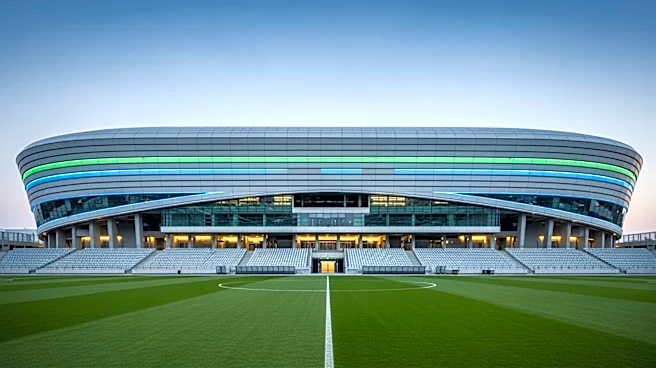

The 2010 FIFA World Cup was a landmark event for South Africa, marking the first time the tournament was held on African soil. As the host nation, South Africa automatically qualified for the tournament,
bringing a wave of excitement and national pride. However, the journey was not without its challenges, as the team faced tough competition in Group A.
The Host Nation's Performance
South Africa was placed in Group A alongside Mexico, Uruguay, and France. The opening match against Mexico was a thrilling encounter, ending in a 1-1 draw. Siphiwe Tshabalala scored a memorable goal for South Africa, igniting hopes of a successful campaign. Despite the promising start, the team faced a formidable challenge in their next match against Uruguay.
Uruguay proved to be a tough opponent, defeating South Africa 3-0. This loss was a significant setback for the host nation, as it put their chances of advancing to the knockout stage in jeopardy. The final group match against France offered a glimmer of hope, with South Africa securing a 2-1 victory. However, it was not enough to advance, as they finished third in the group.
Financial and Emotional Impact
Hosting the World Cup was a momentous occasion for South Africa, but it came with financial challenges. The tournament did not meet financial expectations, leading to disappointment. Despite this, the event was a source of national pride and unity, showcasing South Africa's ability to host a global event.
The emotional impact of the World Cup was significant, as it brought together people from diverse backgrounds. The tournament was a celebration of football and culture, leaving a lasting legacy in the hearts of South Africans. The experience of hosting the World Cup was a testament to the country's resilience and spirit.
Legacy of the 2010 World Cup
The 2010 FIFA World Cup left a lasting legacy in South Africa, both in terms of infrastructure and social impact. The tournament led to the development of new stadiums and improvements in transportation and communication networks. These advancements have continued to benefit the country long after the final whistle.
Socially, the World Cup fostered a sense of unity and pride among South Africans. It was an opportunity to showcase the nation's culture and hospitality to the world. The event also inspired a new generation of football enthusiasts, contributing to the growth of the sport in the country.
In conclusion, while South Africa's performance in the 2010 FIFA World Cup may not have met expectations on the field, the tournament was a success in many other ways. It was a celebration of football, culture, and unity, leaving a lasting impact on the nation and its people.