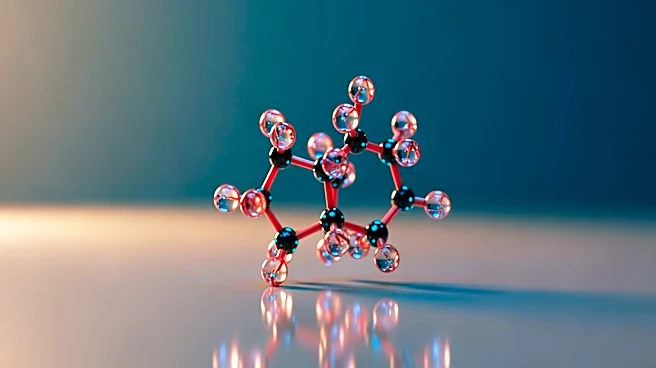



The copper peptide GHK-Cu, known for its wound healing and skin remodeling properties, has an intriguing history of discovery and development. This naturally occurring complex, composed of the tripeptide glycyl-L-histidyl-L-lysine, was first isolated from human plasma in the early 1970s. Its journey from discovery to widespread use in cosmetics and medicine is a testament to its significant biological functions.
Early Discovery
The story of GHK-Cu began in 1973 when
Loren Pickart isolated the peptide from human plasma albumin. Pickart observed that liver tissue from older patients exhibited increased levels of fibrinogen. However, when these liver cells were incubated in the blood of younger individuals, they began to function similarly to younger liver tissue. This observation led to the hypothesis that a small peptide factor, later identified as GHK, was responsible for this rejuvenating effect.
Pickart proposed that the tripeptide glycyl-L-histidyl-L-lysine, which could chelate metal ions, was the active component in human plasma albumin. This discovery laid the foundation for further research into the peptide's biological activities and its potential applications in medicine and cosmetics.
Advancements in Research
In 1977, the growth-modulating properties of GHK-Cu were confirmed, and it was proposed that the peptide modulates copper intake into cells. This finding was significant as copper is essential for various biochemical processes, including cellular respiration and antioxidant defense.
The late 1980s saw a surge in interest in GHK-Cu as a wound healing agent. Studies demonstrated that the peptide could stimulate collagen synthesis, increase protein accumulation, and promote DNA synthesis in dermal wounds. These findings highlighted the peptide's potential as a therapeutic agent for wound management and skin repair.
Modern Applications
Today, GHK-Cu is widely used in cosmetics, particularly in anti-aging and hair loss prevention products. Its ability to stimulate collagen production and promote skin remodeling has made it a popular ingredient in skincare formulations. Despite its widespread use, further research is needed to fully understand its mechanisms and optimize its applications.
The discovery and development of GHK-Cu illustrate the importance of scientific research in uncovering the potential of naturally occurring compounds. From its initial isolation to its current applications, GHK-Cu continues to be a subject of interest for researchers and industry professionals alike, promising further advancements in the fields of medicine and cosmetics.