


The football rivalry between Albania and Serbia is marked by several key matches that have defined the relationship between the two teams. These matches are not only significant for their outcomes but also for the events and controversies that surrounded them. Each game has contributed to the intensity and complexity of this international sports rivalry.
The 2014 Abandoned Match
One of the most significant matches in the Albania–Serbia rivalry took place on October 14, 2014,
during the UEFA Euro 2016 qualifiers. Held at Partizan Stadium in Belgrade, the match was abandoned after a drone carrying a pro-Albanian flag flew over the pitch. This incident led to a brawl between players and fans, resulting in the match being called off. The Court of Arbitration for Sport later awarded a 3–0 victory to Albania, reversing an earlier decision that had favored Serbia. This match set the tone for future encounters and highlighted the deep-seated tensions between the two nations.
The Return Leg in Albania
The return leg of the Euro 2016 qualifiers was held in Albania on October 8, 2015. The match was played under heavy security due to fears of violence, and the Serbian team's bus was attacked by protesters. Despite the tensions, Serbia managed to win the game 2–0. This match was significant as it demonstrated the ability of both teams to compete under intense pressure and highlighted the ongoing political tensions that influence the rivalry.
The 2026 World Cup Qualifiers
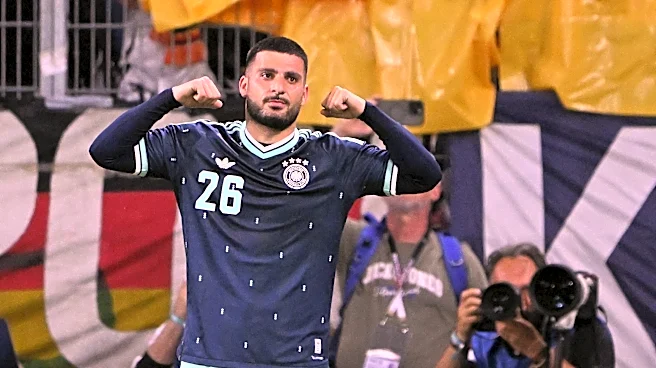
The 2026 FIFA World Cup qualifiers saw Albania and Serbia drawn into the same group, reigniting the rivalry. The first match in this series ended in a 0–0 draw in Albania, while the second match saw Albania secure a 1–0 victory in Serbia. Rey Manaj scored the decisive goal, and his celebration with a double-headed eagle gesture earned him a yellow card. These matches were significant as they showed the competitive nature of the rivalry and the continued political undertones that accompany each encounter.
The key matches in the Albania–Serbia football rivalry are more than just sporting events; they are reflections of the broader political and historical tensions between the two nations. Each match has added a new chapter to the rivalry, making it one of the most intense and politically charged in international football. As both teams continue to compete on the world stage, these matches will remain significant milestones in their footballing history.