




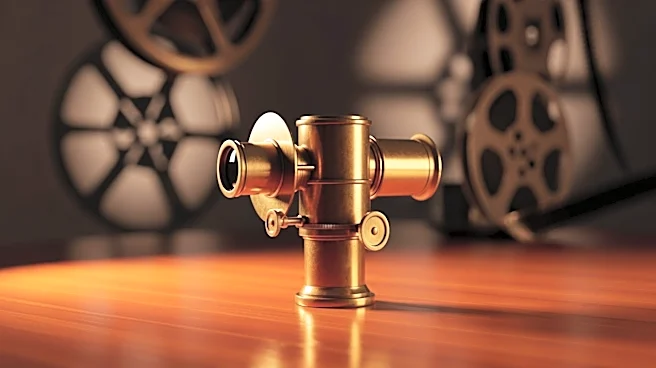
The journey of film technology is a fascinating tale of innovation and creativity. From the early days of magic lanterns to the sophisticated cinematography we know today, each step has contributed to the art of storytelling through moving images. This article delves into the technological advancements that paved the way for modern cinema, highlighting key inventions and their impact on the film industry.
Early Innovations in Moving Images
The roots of film technology can be traced
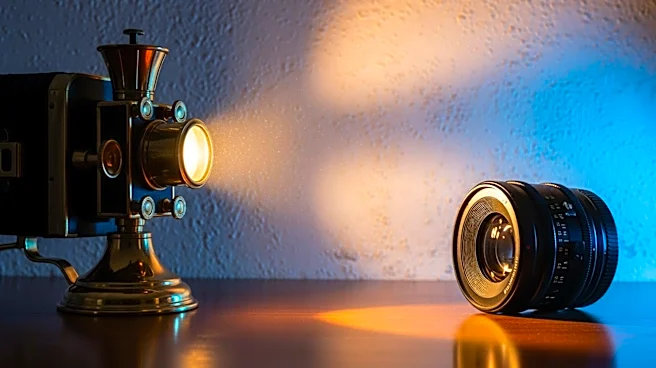
back to devices like the magic lantern, which projected images onto surfaces using light. This early form of visual entertainment laid the groundwork for future developments. In the 1830s, the stroboscopic disc, also known as the phénakisticope, introduced the principle of stroboscopic animation. This principle was later applied to devices like the zoetrope and the praxinoscope, which created the illusion of motion through a series of images.
Photography, introduced in 1839, played a crucial role in the evolution of film. Although early photographic emulsions required long exposures, advancements in instantaneous photography in the late 1850s brought hope for capturing motion. Innovators like Eadweard Muybridge and Ottomar Anschütz made significant contributions with their chronophotography studies, capturing sequences of motion that would influence future film technology.
The Birth of Cinematography
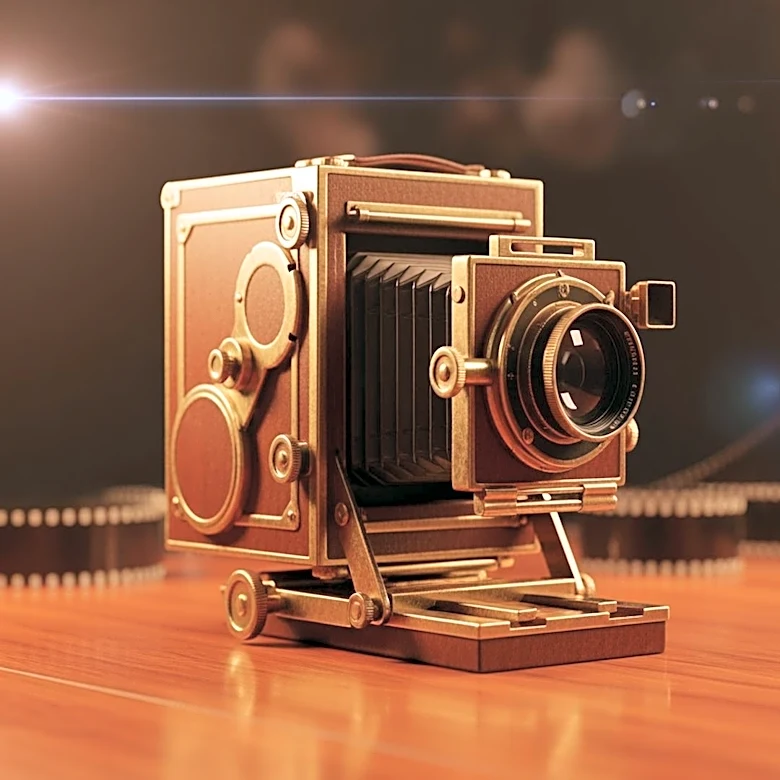
The late 19th century saw the introduction of celluloid photographic film and motion picture cameras, which could capture rapid sequences of images. This development marked the birth of cinematography, allowing action to be recorded and stored on a single reel of film. Early motion pictures were often viewed through devices like the Kinetoscope and the Mutoscope, which offered individual viewing experiences.
Public screenings of films began in the 1890s, with notable contributions from the Lumière brothers, who are best known for their film "L'Arrivée d'un train en gare de La Ciotat." These screenings marked a significant shift in how films were consumed, moving from individual viewing to shared experiences in theaters.
The Impact of Technological Advancements
The evolution of film technology has had a profound impact on the art of storytelling. The ability to capture and project moving images revolutionized entertainment, allowing filmmakers to create narratives that could be shared with audiences worldwide. The introduction of sound and color further enhanced the cinematic experience, making films more immersive and engaging.
As technology continues to advance, the film industry adapts and evolves, embracing new tools and techniques to push the boundaries of storytelling. From the early days of magic lanterns to the sophisticated digital technologies of today, the journey of film technology is a testament to human ingenuity and the enduring power of visual storytelling.