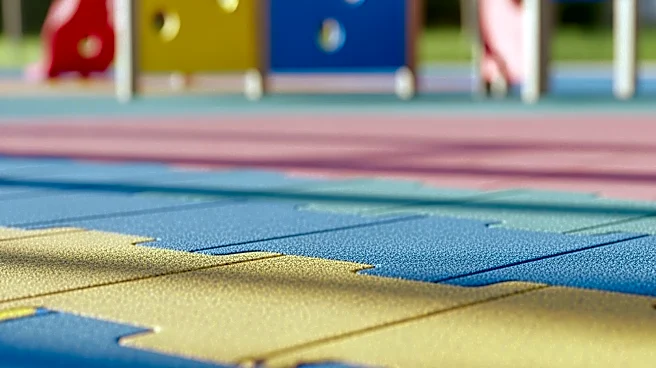






Playground surfacing plays a vital role in ensuring the safety and accessibility of play areas for children. The materials used under and around playground equipment are designed to prevent injuries and accommodate children with disabilities. From rubber mulch to engineered wood fiber, playground surfacing has evolved to meet stringent safety standards and accessibility requirements.
Importance of Safety
In the United States, playground-related injuries send approximately
200,000 children to emergency rooms annually. More than half of these injuries result from falls onto playground surfaces, leading to fractures, concussions, and other serious injuries. Recognizing these risks, organizations like the Consumer Product Safety Commission have established guidelines for playground surfaces.
ASTM International has developed standards such as F1292, which assess the impact attenuation of surface systems. This standard evaluates how well a surface can absorb the impact of a child's head hitting the ground, ensuring that playground surfaces minimize injury risks.
Accessibility Considerations
Playground surfaces must also meet the requirements of the Americans with Disabilities Act (ADA), providing easy mobility for children in wheelchairs. ASTM's F1951 standard evaluates surface compliance with ADA requirements, ensuring that playgrounds are accessible to all children.
However, not all surfaces offer adequate protection or accessibility. Grass, dirt, and turf are not recommended due to their inability to absorb impact effectively. Surfaces like sand and gravel may not meet ADA standards, highlighting the need for careful selection of materials.
Common Surfacing Materials
Engineered wood fiber (EWF) is a popular choice for playground surfacing. Made from biodegradable virgin wood, EWF meets both safety and accessibility standards. It requires regular maintenance to ensure its effectiveness, as it tends to compact over time.
Poured rubber surfacing offers a seamless, durable option. Composed of EPDM or TPV granules, this surface provides excellent impact absorption and wheelchair accessibility. Despite its high cost, poured rubber surfacing is favored for its long lifespan and vibrant color options.
Shredded rubber, made from recycled tires, is another option. While it effectively absorbs shock, it can create uneven surfaces that are not wheelchair accessible. Sand and gravel, though common, may not provide adequate safety or accessibility.
In conclusion, playground surfacing is a critical component of safe and accessible play areas. By adhering to established standards and carefully selecting materials, playgrounds can offer a secure environment for children to enjoy their playtime.