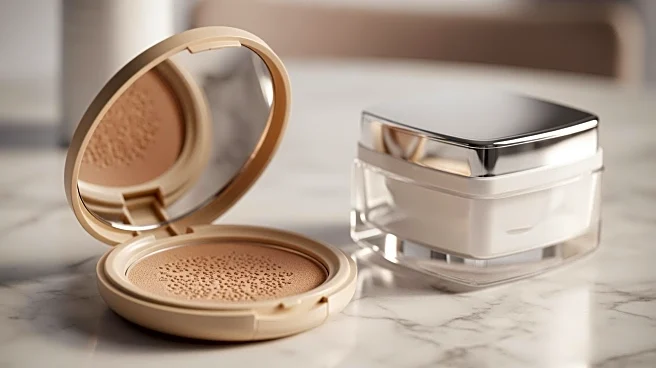




Face powder has undergone significant transformations in its formulation and application, driven by technological advancements and changing beauty standards. From its early use in ancient Egypt to the diverse products available today, face powder has evolved to meet the needs of different cultures and eras. This article explores the technological journey of face powder, highlighting key innovations and shifts in its composition.
Ancient Formulations
The earliest face powders
were used in ancient Egypt, where they were made from lead fibers and stored in stone containers. These powders served both cosmetic and medicinal purposes, promising eternal beauty and protection from illness. The use of red ochre as a powdered blush added color to the cheeks, while green and blue powders were used for eye makeup, influenced by Cleopatra's beauty standards.
In ancient Greece, face powder formulations included cinnabar and white lead, used to achieve a pale complexion. Despite the known toxicity of lead, its use persisted due to the cultural significance attached to whitened skin. The technological limitations of the time meant that harmful ingredients were often used, reflecting the societal importance of beauty ideals.
Renaissance to 19th Century Innovations
During the Renaissance, face powder formulations continued to rely on lead-based ingredients, despite their dangers. Queen Elizabeth I famously used lead-based powder to conceal her smallpox scars, a practice that ultimately led to her death from blood poisoning. The use of toxic materials in cosmetics was widespread, driven by the desire for clear, bright skin.
The 19th century saw a shift towards safer ingredients, with zinc oxides used to maintain ivory-colored skin during the Victorian era. The outbreak of smallpox led to a decline in the use of face powder, as it aggravated the skin and revealed facial scarring. This period marked the beginning of a move towards more natural beauty standards.
Modern Formulations and Safety
The 20th century brought significant advancements in face powder formulations, driven by health concerns and regulatory changes. The Food, Drugs, and Cosmetics Act of 1938 ensured safer ingredients, leading to the development of products like Max Factor's Crème Puff, which offered multipurpose face powders.
Today, face powder is available in various forms, including loose, pressed, mineral, and translucent powders. Modern formulations cater to diverse skin tones and types, reflecting the ongoing evolution of beauty standards. The technological journey of face powder highlights its adaptability and enduring appeal, as it continues to meet the needs of contemporary consumers.