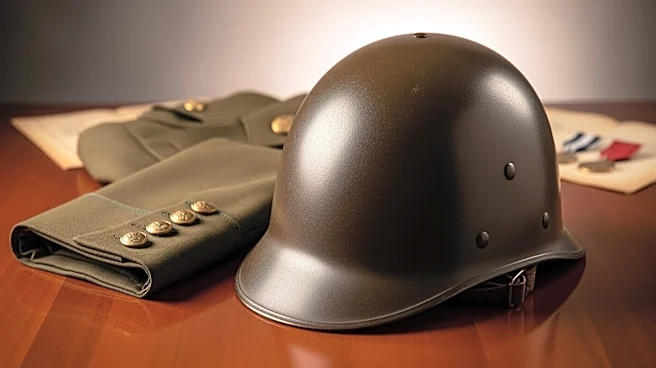







On May 15, 1942, a significant milestone in U.S. military history was achieved with the creation of the Women's Army Auxiliary Corps (WAAC). This development marked a pivotal moment in the role of women in the military, as it allowed them to serve in non-combat positions, thereby freeing up men for combat roles during World War II. The establishment of the WAAC was a response to the growing need for personnel as the United States became more deeply
involved in the global conflict.
The Need for the WAAC
As World War II progressed, the demand for military personnel increased dramatically. The U.S. military faced a shortage of manpower, which was exacerbated by the need to deploy more troops overseas. The idea of utilizing women in auxiliary roles was proposed as a solution to this problem. By allowing women to take on non-combat duties, the military could allocate more men to the front lines. This strategic move was not only practical but also a reflection of the changing societal views on women's capabilities and roles.
The creation of the WAAC was a groundbreaking step that challenged traditional gender roles. Women were recruited to perform a variety of tasks, including clerical work, communications, and logistics. These roles were crucial in maintaining the efficiency and effectiveness of military operations. The establishment of the WAAC demonstrated a recognition of women's potential to contribute significantly to the war effort, a notion that was gaining acceptance during this period.
The Impact of the WAAC
The impact of the WAAC was profound, both in terms of military operations and societal perceptions. The inclusion of women in the military workforce allowed for a more efficient allocation of resources and personnel. Women in the WAAC proved to be highly capable and dedicated, performing their duties with distinction. Their contributions were instrumental in supporting the U.S. military's efforts during the war.
Moreover, the success of the WAAC paved the way for future integration of women into the armed forces. It set a precedent for the establishment of similar programs in other branches of the military and laid the groundwork for the eventual full integration of women into the U.S. Armed Forces. The WAAC's legacy is evident in the continued presence and contributions of women in the military today.
Legacy and Recognition
The establishment of the WAAC was a significant step forward in the fight for gender equality. It challenged societal norms and demonstrated that women could perform effectively in roles traditionally reserved for men. The success of the WAAC helped to change perceptions about women's capabilities and opened doors for future generations of women in the military.
In recognition of their service, the WAAC was eventually converted into the Women's Army Corps (WAC) in 1943, granting women full military status. This transition marked a further acknowledgment of the vital role women played in the military and solidified their place in the armed forces. The creation of the WAAC was not just a response to wartime needs but a transformative moment in the history of women's rights and military service in the United States.