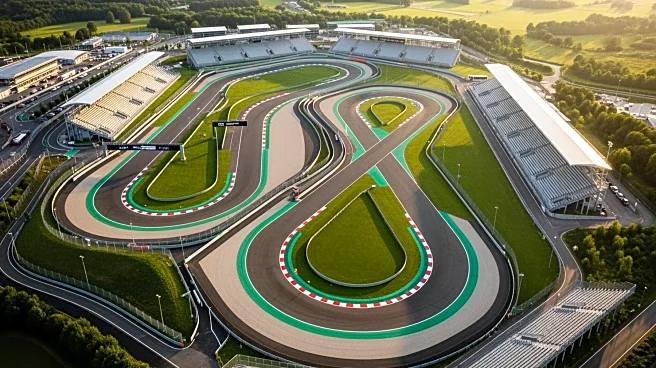




Suzuka Circuit, located in Suzuka City, Mie Prefecture, Japan, is renowned for its unique design and challenging layout. Owned by Honda Motor Co., Ltd., this motorsport track is one of the few circuits in the world to feature a figure-eight configuration. This design, along with its rich history and modern adaptations, makes Suzuka Circuit a fascinating subject for motorsport enthusiasts.
The Figure-Eight Layout
One of the most distinctive features of Suzuka Circuit is its
figure-eight layout. Unlike traditional circuits, Suzuka's design includes a section where the track crosses over itself. This is achieved through a bridge that allows the back straight to pass over the front section. This innovative design was conceived by John Hugenholtz in 1962 when the circuit was initially developed as a test track for Honda. The figure-eight layout not only adds a unique visual element but also introduces a variety of challenges for drivers, making it a favorite among racers.
The circuit's layout is not just about aesthetics; it plays a crucial role in the racing experience. The combination of high-speed straights and tight corners tests the skills of even the most experienced drivers. The track's 17 turns require precision and strategy, making it a thrilling venue for both drivers and spectators. This complexity is part of what has made Suzuka a staple in the Formula One World Championship.
Configurations and Adaptations
Suzuka Circuit can be configured in three different ways: the full "Grand Prix" circuit, the "East" circuit, and the "West" circuit. The "East" course includes the main pit straight and the first half of the Dunlop curve, while the "West" course comprises the remaining part of the full circuit. These configurations allow for a variety of racing events and training sessions, catering to different motorsport needs.
Over the years, Suzuka has undergone several renovations to meet the evolving standards of international racing. Notably, the circuit was closed for over a year to comply with Formula One regulations for the 2009 season. These updates ensure that Suzuka remains a top-tier racing venue, capable of hosting prestigious events like the Japanese Grand Prix.
A Legacy of Innovation
Suzuka Circuit's design and adaptability have cemented its place in motorsport history. Its figure-eight layout is not just a novelty; it represents a legacy of innovation and excellence in track design. The circuit continues to challenge and inspire drivers from around the world, maintaining its status as a beloved and iconic racing venue.
As Suzuka Circuit continues to host major racing events, its unique design and history remain central to its enduring appeal. Whether for its challenging layout or its role in motorsport history, Suzuka Circuit stands out as a testament to the art and science of racetrack design.