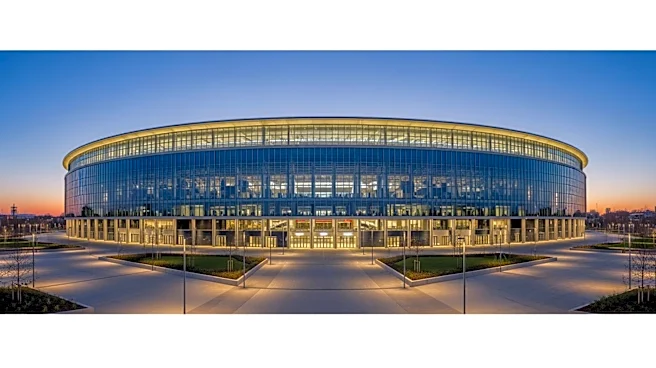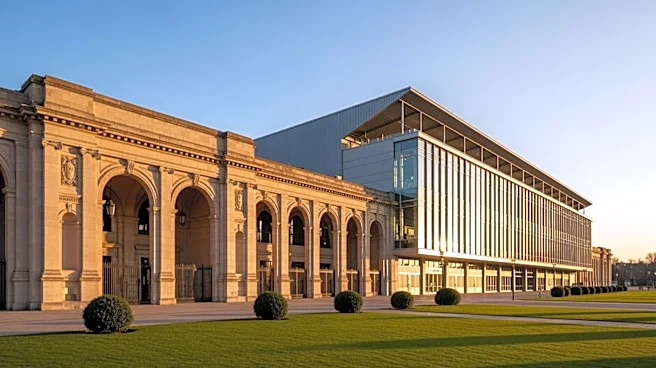

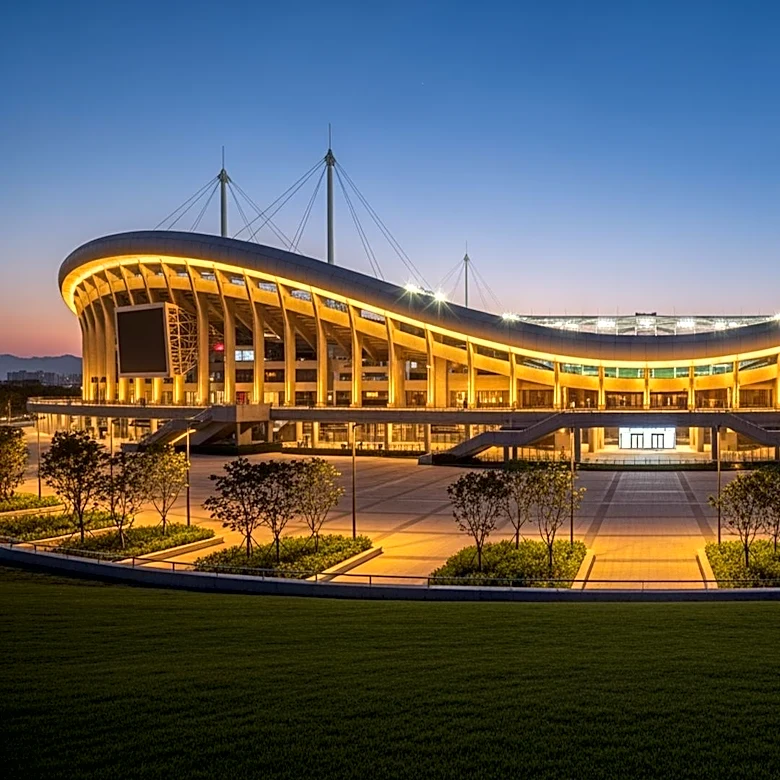
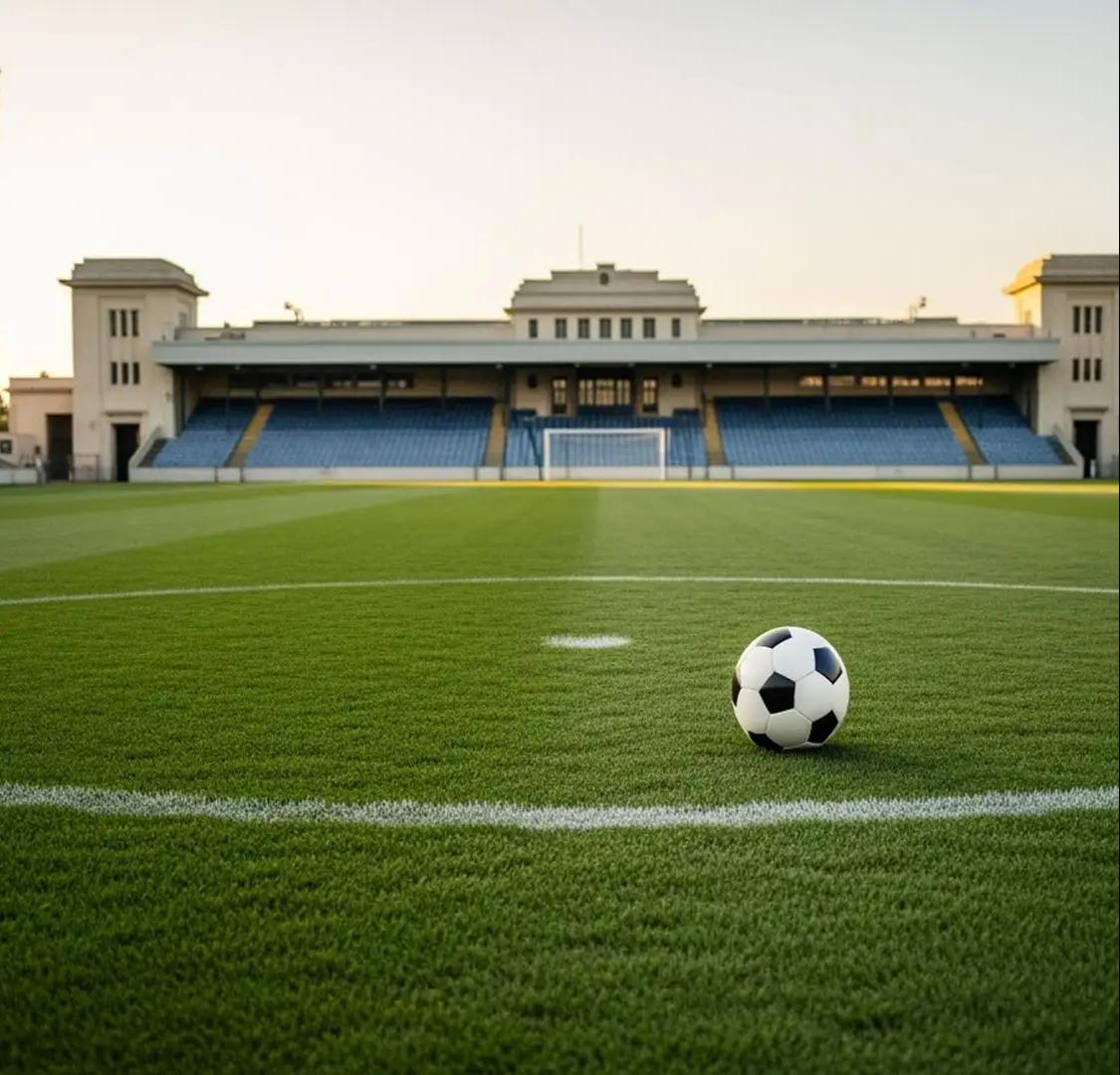
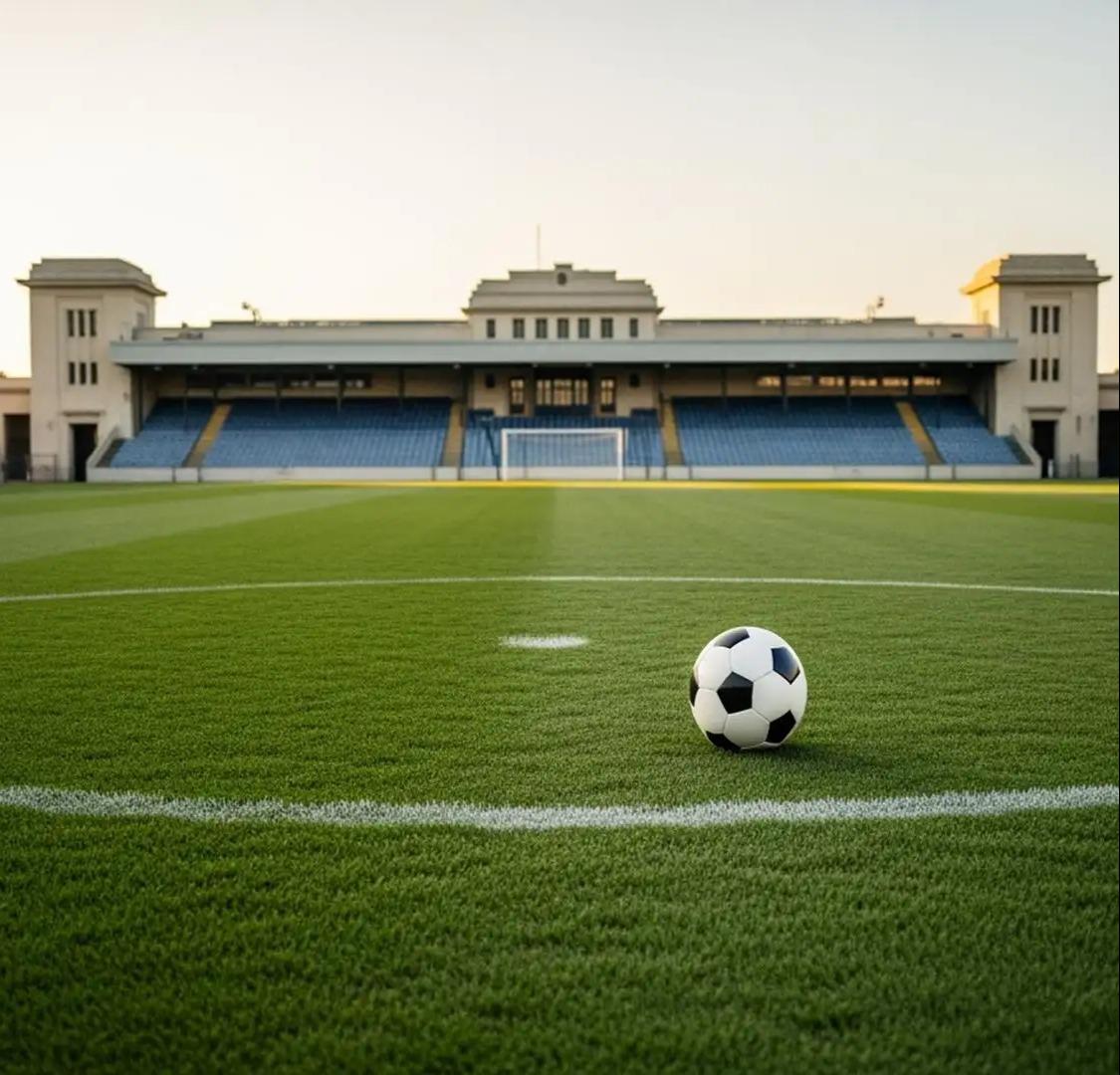
Stadio Renzo Barbera, located in Palermo, Italy, has a rich history that reflects the changing times and cultural shifts of the region. Originally opened in 1932, the stadium has undergone several transformations, both in name and structure, to become the iconic venue it is today. This article explores the historical journey of Stadio Renzo Barbera, highlighting key milestones and changes over the decades.
Early Beginnings and Name Changes
The stadium was inaugurated on January 24,
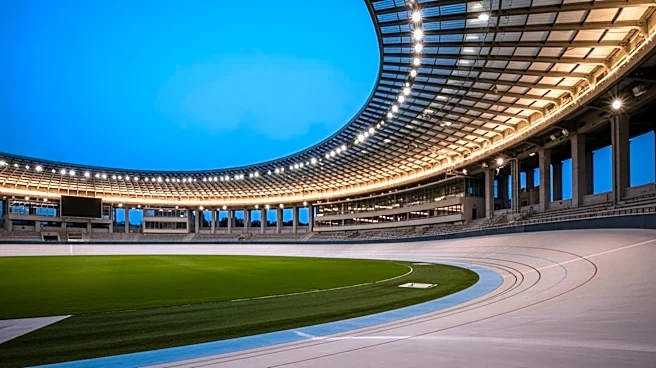
1932, during the fascist era in Italy. Initially named Stadio Littorio, it was a reflection of the political climate of the time, with the name derived from the Italian word for the fasces symbol. The opening match saw Palermo triumph over Atalanta with a 5-1 victory. At this time, the stadium featured a running track around the pitch and lacked stands behind the goals.
In 1936, the stadium was renamed Stadio Michele Marrone, in honor of a soldier who died during the Spanish Civil War. This change marked the first of several renamings that the stadium would undergo, each reflecting the socio-political context of the era. By 1945, following the end of World War II, the stadium was renamed Stadio La Favorita, a nod to the local ancient game preserve of Frederick II, Holy Roman Emperor.
Structural Developments and Modernization
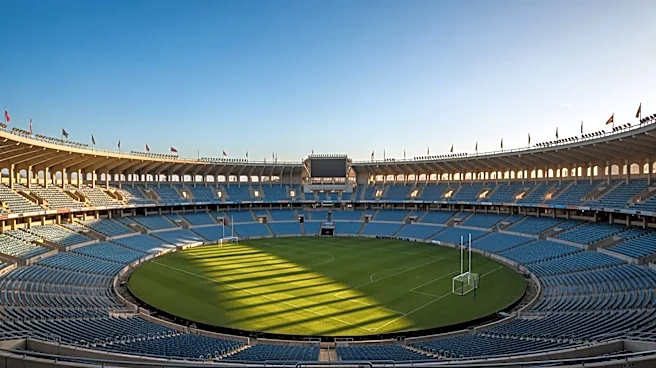
The first significant structural change occurred in 1948 when the running track was removed, and stands were constructed behind each goal. This development marked the beginning of the stadium's evolution into a more modern football venue. The next major renovation took place in 1984, with the addition of a second tier, increasing the capacity to 50,000 spectators. This expansion was a response to the growing popularity of football and the need to accommodate more fans.
In 1990, further modernization was undertaken as Palermo was selected to host several matches for the 1990 FIFA World Cup. Unfortunately, this period was marred by tragedy when five construction workers lost their lives during the renovation process. Despite this, the stadium emerged with a reduced capacity of 37,619 seats, reflecting a shift towards more comfortable and safer spectator experiences.
Recent Changes and Future Plans
On September 18, 2002, the stadium was officially renamed Stadio Comunale Renzo Barbera, in honor of the former chairman of Palermo FC, who had passed away earlier that year. This renaming was a tribute to his contributions during the club's Serie A tenure and Coppa Italia finals in the 1960s and 1970s.
Looking to the future, plans for redevelopment were announced in May 2026, with the aim of integrating the stadium into the UEFA Euro 2032 hosting plans. These developments are intended to enhance the stadium's ability to host a variety of competitions and events, ensuring its continued relevance and importance in the world of sports.
Stadio Renzo Barbera's history is a testament to its resilience and adaptability, mirroring the cultural and historical shifts of Palermo and Italy as a whole. As it stands today, the stadium is not just a sports venue but a symbol of the region's rich heritage and enduring passion for football.