






Thermostats play a crucial role in the operation of aquarium heaters, ensuring that the water temperature remains within a suitable range for the aquatic life inside. These devices are integral to maintaining a stable environment, particularly in tropical aquariums where temperature fluctuations can be harmful. This article explores the function of thermostats in aquarium heaters and how they contribute to the overall health of the aquarium ecosystem.
Bimetallic Strip Thermostats
Many aquarium heaters use a bimetallic strip thermostat to regulate temperature. This type of thermostat consists of two metals with different expansion rates bonded together. As the temperature changes, the metals expand at different rates, causing the strip to bend. This bending action is used to open or close an electrical circuit, turning the heating element on or off as needed to maintain the desired temperature.
The bimetallic strip thermostat is adjustable, allowing aquarists to set the specific temperature required for their aquarium. This adjustability is crucial for accommodating the diverse needs of different fish species and ensuring that the water remains within a safe range. While bimetallic strip thermostats are effective, they can be less precise than more advanced options, making regular monitoring of the aquarium temperature important.
Microchip Technology in Thermostats
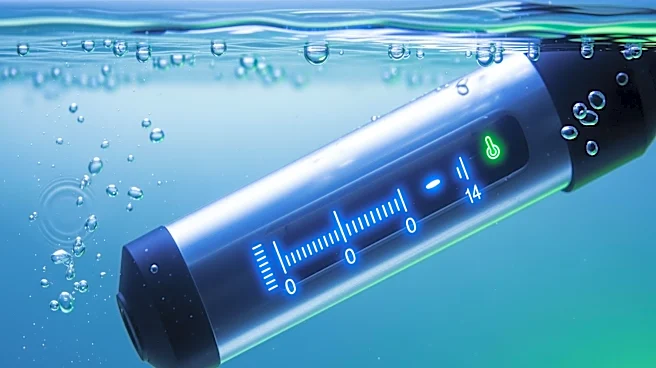
In recent years, advancements in technology have led to the development of thermostats that use microchip technology. These thermostats offer greater precision and reliability compared to traditional bimetallic strip models. Microchip thermostats can provide more accurate temperature control, reducing the risk of fluctuations that could stress or harm the aquarium's inhabitants.
Microchip technology allows for more sophisticated features, such as digital displays and programmable settings. These features enable aquarists to monitor and adjust the temperature with ease, providing peace of mind that the aquarium environment is stable. While these advanced thermostats may come at a higher cost, their benefits in terms of precision and ease of use make them a worthwhile investment for serious fishkeepers.
Importance of Regular Monitoring
Regardless of the type of thermostat used, regular monitoring of the aquarium temperature is essential. Even the most advanced thermostats can malfunction, leading to potentially dangerous temperature changes. Aquarists should regularly check the temperature with a reliable thermometer and adjust the thermostat settings as needed.
In addition to monitoring, it is important to ensure that the heater and thermostat are functioning properly. Regular maintenance, such as cleaning the heater and checking for signs of wear or damage, can help prevent issues and extend the lifespan of the equipment. By taking these precautions, aquarists can ensure that their aquarium remains a safe and healthy environment for their fish.