


The lotus position, or Padmasana, is a well-known meditation pose that involves sitting cross-legged with each foot placed on the opposite thigh. While it is a staple in yoga and meditation practices, the pose comes with various challenges and has several variations to accommodate different levels of flexibility and experience.
Variations of the Lotus Position
The lotus position has several variations that cater to practitioners with varying levels of flexibility and experience. The most
basic variation is the easy pose, or Sukhasana, where the legs are simply crossed in front of the body. This pose is often used as a starting point for beginners who are not yet comfortable with the full lotus position.
Another variation is the half lotus, or Ardha Padmasana, where one leg is bent and resting on the ground while the other leg is placed in the lotus position. This pose is more accessible than the full lotus and serves as a stepping stone for those working towards the full posture. For advanced practitioners, the bound lotus, or Baddha Padmasana, involves sitting in full lotus and reaching around the back to grasp the opposite foot with each hand.
Challenges of the Lotus Position
The lotus position is known for its difficulty, particularly for those not accustomed to sitting on the floor. The pose requires significant flexibility in the hips, as they must rotate outwards approximately 115 degrees to achieve the full posture. Forcing the legs into the position without adequate flexibility can lead to knee injuries, particularly damage to the medial meniscus cartilage.
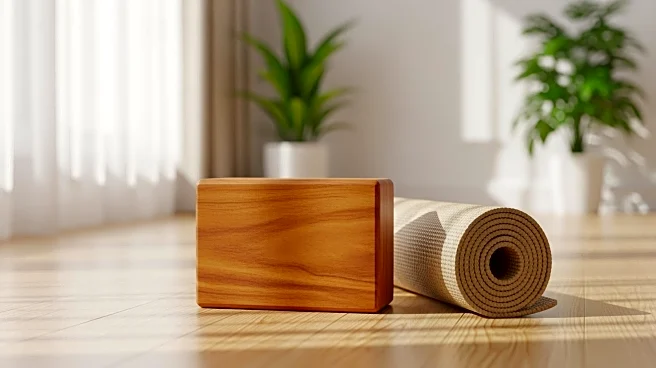
Yoga practitioners are advised to approach the pose with caution and to use modifications, such as sitting on a cushion or blanket, to tilt the pelvis forward and reduce strain on the knees. The yoga guru B. K. S. Iyengar noted that while the pose can initially cause "excruciating" pain in the knees, with practice, it becomes relaxing and ideal for pranayama, or breath control.
The Lotus Position in Practice
Despite its challenges, the lotus position remains a popular and iconic pose in yoga and meditation. It is often depicted in statues and art, symbolizing spiritual enlightenment and meditation. In modern yoga practice, the pose is used not only for its spiritual significance but also for its physical benefits, such as improving flexibility and promoting relaxation.
For those unable to achieve the full lotus position, variations and modifications provide a way to experience the benefits of the pose without risking injury. As with any yoga practice, patience and gradual progression are key to mastering the lotus position and its variations.