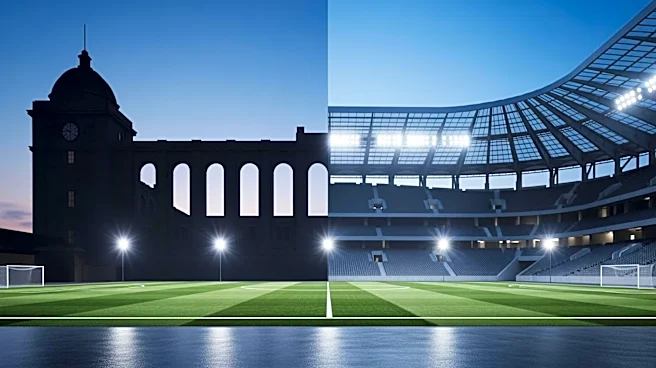





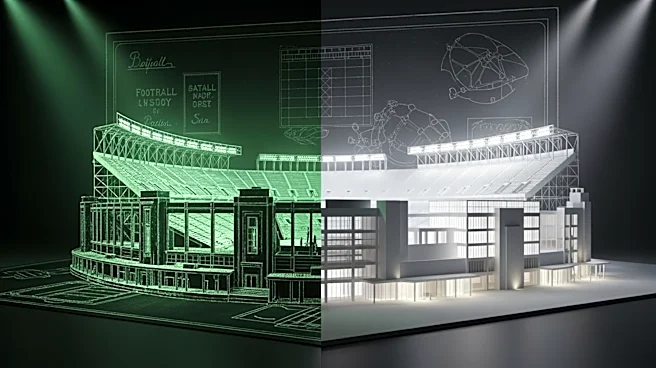
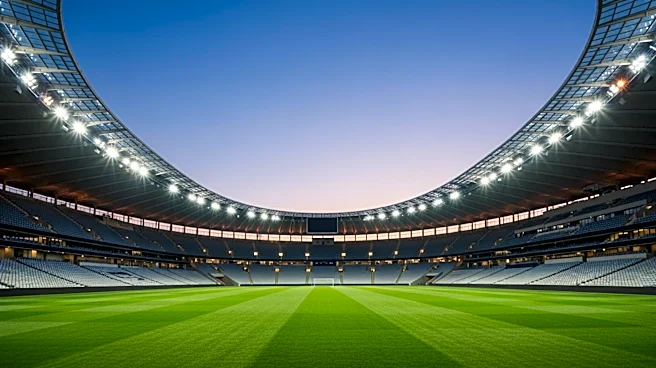

Rajko Mitić Stadium, located in Belgrade, Serbia, has a rich history that reflects its evolution from a simple sports ground to a modern stadium. Originally known as Red Star Stadium, it has been the home of Red Star Belgrade since 1963. Over the decades, the stadium has undergone numerous changes, both in structure and capacity, to meet the demands of modern sports and entertainment.
Early Beginnings
The site of Rajko Mitić Stadium has been a hub for sports since
the early 20th century. The first stadium on this location was opened in 1927 and was home to SK Jugoslavija, a prominent football club of the time. This early stadium had a capacity of 30,000 and included a grass pitch and athletic track. However, after World War II, the club was disbanded, and the stadium was handed over to the newly formed Red Star Belgrade.
In the late 1950s, the need for a new, modern stadium became apparent. The old stadium was in disrepair, and plans were made to construct a new facility. The construction of the new stadium began in 1960, and it was built 12 meters lower than the original to provide a solid foundation. This ambitious project required the excavation of a significant amount of soil and stone.
The Marakana Era
The new stadium was officially opened on September 1, 1963, with a match against NK Rijeka. Initially, it could accommodate 55,000 spectators, but its capacity was soon increased to 110,000, earning it the nickname "Marakana," after the famous Brazilian stadium. This period marked the stadium's golden era, with record attendances and a vibrant atmosphere.
The stadium's design included a magnificent grass pitch with drainage, and it quickly became a symbol of Serbian football. The largest recorded crowd was in 1975, during a match against Ferencváros, with 116,000 spectators. Over the years, the stadium hosted numerous international matches and events, solidifying its place in sports history.
Modernization and Renovation
As the years passed, the stadium underwent several renovations to meet modern standards. In the mid-1990s, standing areas were replaced with seats to improve comfort and safety, reducing the capacity to 60,000. Further renovations in 2008 included the installation of under-soil heaters and new turf.
In 2014, the stadium was renamed Rajko Mitić Stadium in honor of the club's legendary player. Recent renovations have focused on improving facilities and infrastructure, with plans for a major reconstruction project announced in 2018. This project aims to modernize the stadium further, ensuring it remains a premier venue for sports and entertainment.
Rajko Mitić Stadium's journey from a modest sports ground to a modern stadium reflects the dynamic history of Serbian football. Its continued evolution ensures it remains a central part of the sporting landscape in Serbia.