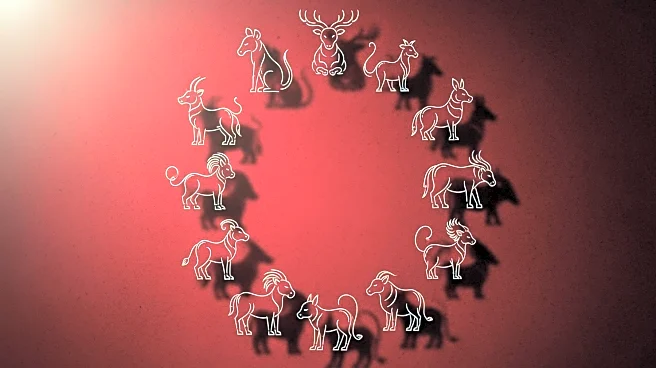




The Chinese zodiac is a central component of Chinese astrology, offering insights into personality traits and potential life paths. Unlike the Western zodiac, which is based on the twelve months of the year, the Chinese zodiac operates on a twelve-year cycle, with each year represented by a different animal. This article explores the intricacies of the Chinese zodiac, its historical origins, and its significance in Chinese culture.
The Twelve Animal Signs
The Chinese zodiac
consists of twelve animal signs: Rat, Ox, Tiger, Rabbit, Dragon, Snake, Horse, Goat, Monkey, Rooster, Dog, and Pig. Each animal is associated with specific characteristics and traits that are believed to influence the personalities and destinies of individuals born in that year. For example, those born in the Year of the Rat are often seen as intelligent and resourceful, while those born in the Year of the Ox are considered hardworking and reliable.
The origins of the Chinese zodiac are linked to the orbit of Jupiter, known as the Year Star in Chinese astronomy. Jupiter takes approximately twelve years to complete a full orbit around the Sun, and this cycle was used by ancient Chinese astronomers to divide the celestial circle into twelve sections. Each section was then associated with one of the twelve animal signs, creating the zodiac system that is still used today.
The Sixty-Year Cycle
In addition to the twelve animal signs, the Chinese zodiac also incorporates the ten Heavenly Stems and the twelve Earthly Branches. These elements combine to form a sixty-year cycle, known as the sexagenary cycle. Each year in this cycle is associated with a specific combination of a Heavenly Stem and an Earthly Branch, which further refines the characteristics and fate of individuals born in that year.
The sexagenary cycle is an important aspect of Chinese astrology, as it provides a more detailed framework for understanding a person's destiny. By considering the interactions between the Heavenly Stems, Earthly Branches, and animal signs, astrologers can offer more nuanced predictions and insights into a person's life path.
Cultural Significance
The Chinese zodiac holds significant cultural importance in China and other regions with Chinese influence. It is often used in conjunction with other forms of divination, such as Purple Star Astrology, to provide a comprehensive analysis of a person's fate. The zodiac is also a popular theme in Chinese art, literature, and folklore, with many stories and legends centered around the animal signs.
In modern times, the Chinese zodiac continues to play a role in everyday life. It is commonly used to determine compatibility in relationships, select auspicious dates for important events, and guide personal and business decisions. The enduring popularity of the Chinese zodiac reflects its deep roots in Chinese culture and its continued relevance in contemporary society.
The Chinese zodiac is a fascinating system that offers a unique perspective on personality and destiny. Its rich history and cultural significance make it an enduring and intriguing aspect of Chinese astrology.