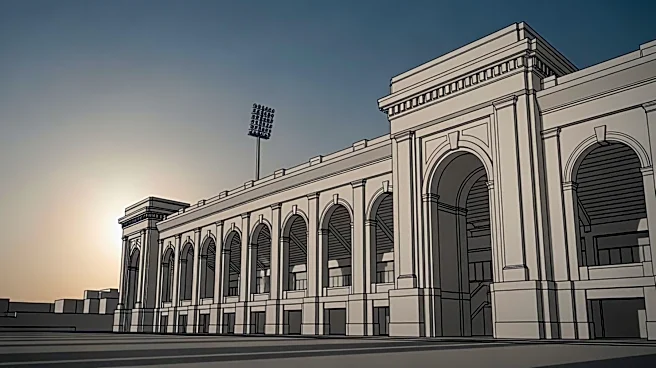

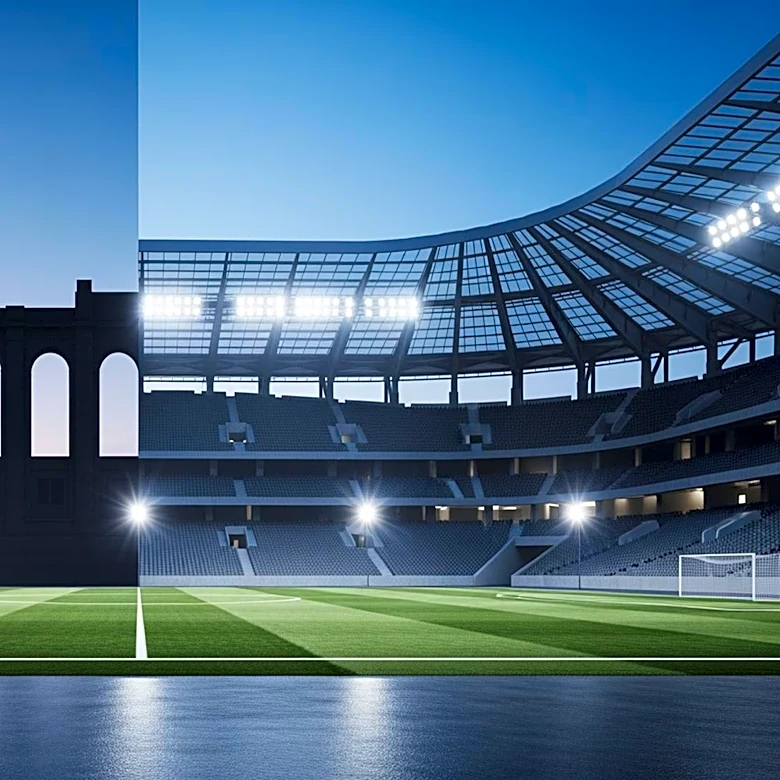







Stadio Luigi Ferraris, located in Genoa, Italy, is a testament to the rich history of Italian football. Opened in 1911, it stands as the oldest stadium still in use for football in Italy. Over the years, it has undergone several transformations, reflecting the evolving needs of sports and entertainment. This article delves into the historical journey of this iconic stadium, highlighting its key milestones and developments.
Early Beginnings and Naming
The stadium was inaugurated
on January 22, 1911, initially named "Campo di Via del Piano." It was built within the complex of Villa Centurione Musso Piantelli, a decision made by Edoardo Pasteur, the president of Genoa CFC, and the marquess Musso Piantelli. The stadium's initial capacity was 20,000 spectators, marking a significant step in the development of football infrastructure in Italy.
In 1933, the stadium was renamed "Luigi Ferraris" in honor of the Italian footballer, engineer, and soldier who died during World War I. Luigi Ferraris was a historic captain of Genoa FC, and the renaming was a tribute to his contributions and sacrifice.
Expansion and Renovation
The stadium saw its first major expansion in 1934, coinciding with the FIFA World Cup hosted by Italy. The capacity was increased to accommodate 48,000 spectators, allowing it to host significant matches, including a round-of-16 match between Spain and Brazil. This expansion marked the stadium's growing importance in international football.
Further renovations occurred in preparation for the 1990 FIFA World Cup. The stadium was completely dismantled and rebuilt, a process that took over two years. The new design reduced the capacity to over 36,500 spectators but modernized the facilities to meet contemporary standards. This renovation ensured that Stadio Luigi Ferraris remained a premier venue for international events.
Modern Usage and Legacy
Today, Stadio Luigi Ferraris serves as the home ground for Genoa CFC and UC Sampdoria, hosting numerous football matches each year. It has also been a venue for rugby matches and concerts, showcasing its versatility as a multi-use stadium. Despite its age, the stadium continues to be a central part of Genoa's sports culture.
The legacy of Stadio Luigi Ferraris is not just in its physical structure but in its role as a symbol of Italian sports history. It stands as a reminder of the evolution of football in Italy and the enduring passion for the sport. As the oldest stadium still in use, it represents the rich heritage and ongoing tradition of Italian football.