




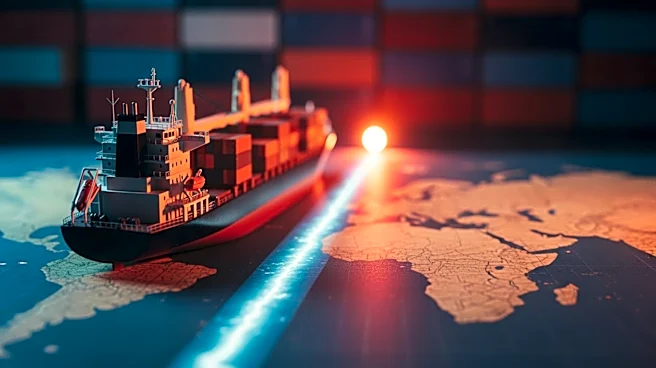

The Panama Canal, completed in 1914, has been a pivotal development in global trade, providing a shortcut between the Atlantic and Pacific Oceans. This article examines the impact of the Panama Canal on global trade patterns, highlighting its role in reducing travel time and costs for maritime commerce.
A Shortcut for Maritime Trade
The Panama Canal significantly reduced the time and distance required for ships to travel between the Atlantic and Pacific Oceans. Before the canal's
construction, ships had to navigate the lengthy and hazardous route around the southern tip of South America. The canal provided a much shorter and safer alternative, facilitating faster and more efficient trade.
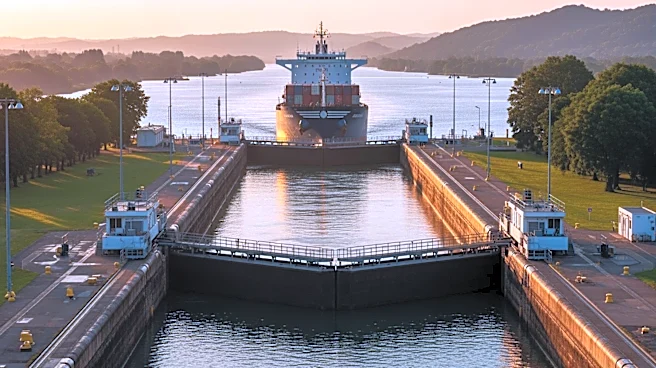
The canal's locks lift ships up to Gatun Lake, an artificial freshwater lake, and then lower them back down to sea level. This engineering marvel enabled the passage of Panamax ships, which were specifically designed to fit the canal's dimensions. The canal's expansion in 2016 further increased its capacity, allowing larger Neopanamax ships to transit.
Influence on Global Trade Patterns
Since its opening, the Panama Canal has played a crucial role in shaping global trade patterns. It has enabled the efficient movement of goods between the eastern and western hemispheres, boosting economic growth in both developed and developing countries. The canal has been particularly important for trade between Asia and the Americas, serving as a vital transit route for a wide range of commodities.
The canal's strategic location has also influenced the development of ports and trade hubs in the surrounding regions. The increased traffic through the canal has led to the growth of port cities, contributing to regional economic development and integration into global trade networks.
Economic Benefits and Challenges
The Panama Canal has been a significant source of revenue for Panama, contributing to the country's GDP growth and infrastructure development. The Panama Canal Authority, which manages the canal, generates substantial income through tolls and fees, which are reinvested into national development projects.
However, the canal also faces challenges, particularly related to water management. The canal relies on freshwater from Gatun Lake, and droughts can impact its operations. The Panama Canal Authority has implemented measures to address these challenges, including water-saving initiatives and plans for additional reservoirs.
Overall, the Panama Canal has had a profound impact on global trade, facilitating economic growth and international commerce. Its continued operation and expansion are essential for maintaining its role as a key conduit for maritime trade.