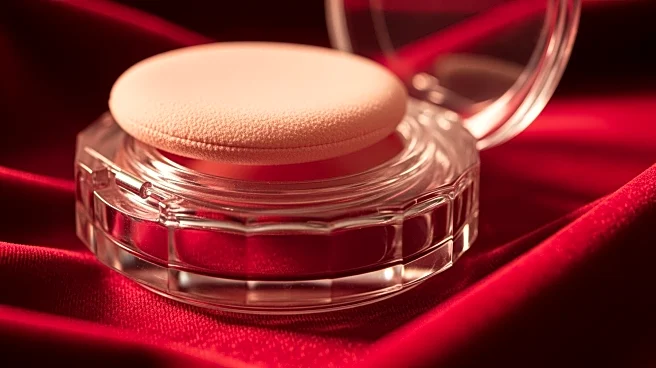

Rouge, a cosmetic product used to color the cheeks and lips, has long been associated with beauty and social status. Its cultural significance varies across different societies, reflecting diverse beliefs
and practices. This article explores the symbolic role of rouge in various cultures and its impact on perceptions of beauty.
Rouge in Ancient Cultures
In ancient Egypt, rouge was more than just a cosmetic; it was a cultural symbol. Both men and women used rouge to enhance their appearance, as depicted in Egyptian art. The use of red ochre mixed with fat to create a stain was a common practice, signifying beauty and social standing.
Similarly, in ancient Greece, rouge was a marker of wealth and status. The Greeks used natural ingredients like crushed mulberries and strawberries to create their rouge. Wearing makeup was a privilege reserved for the affluent, as cosmetics were costly and not widely available. This association with wealth made rouge a desirable commodity.
Rouge in Chinese Culture
In China, the use of rouge dates back to the Shang Dynasty. It was made from the juice of red and blue flowers, often mixed with bovine pulp for density. Rouge was applied heavily to the cheeks and lips, symbolizing good luck and happiness. The color red holds cultural significance in Chinese society, representing prosperity and joy.
The application of rouge was not just a beauty practice but a cultural ritual. Women adorned themselves with rouge to attract positive energy and fortune. This cultural symbolism highlights the deep-rooted beliefs associated with the use of cosmetics in Chinese history.
Modern Interpretations of Rouge
Today, rouge is commonly referred to as blush and is available in various forms and colors. The modern cosmetic industry offers a wide range of blush shades, including pink, brown, and orange, reflecting the diverse beauty standards across cultures.
While the term rouge is less frequently used to describe lipstick, its historical association with red remains significant. The evolution of rouge from a cultural symbol to a mainstream cosmetic product underscores its lasting impact on beauty standards. Rouge continues to be a powerful tool for self-expression, allowing individuals to convey their identity and status through makeup.