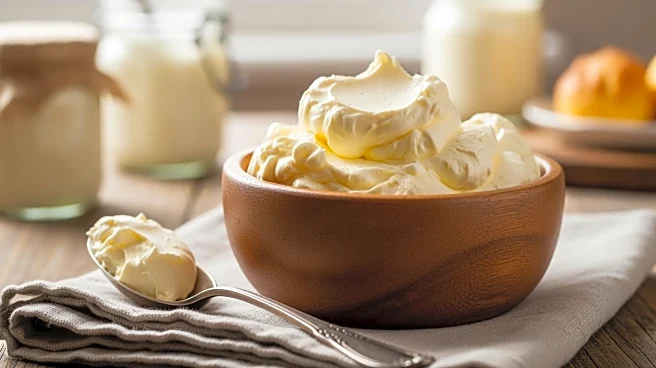




Clotted cream is a quintessential English delicacy, renowned for its rich texture and creamy taste. Traditionally associated with the counties of Devon and Cornwall, this thick cream is a staple in the classic cream tea, served with scones and strawberry jam. The preparation of clotted cream is an art form, deeply rooted in English culinary traditions, and involves a meticulous process that results in its characteristic clots.
Traditional Preparation Method
The process of making
clotted cream begins with raw cow's milk, which is neither homogenized nor pasteurized. This milk is poured into shallow pans and gently heated. The key to achieving the perfect clotted cream lies in the slow heating process, which allows the cream to rise to the surface and form clots. This step is crucial as it gives clotted cream its unique texture and flavor, reminiscent of mascarpone.
Once the milk is heated, it is left to cool for several hours. During this time, the cream continues to thicken and develop its rich taste. The clots that form on the surface are carefully skimmed off, resulting in a cream with a minimum fat content of 55%. This high-fat content contributes to the cream's luxurious mouthfeel and makes it a beloved component of English cream teas.
Cultural Significance in Devon and Cornwall
Clotted cream holds a special place in the culinary heritage of Devon and Cornwall, regions known for their dairy farming. It is often enjoyed as part of a cream tea, a tradition that involves serving tea with scones, clotted cream, and strawberry jam. This practice is not only a culinary delight but also a social ritual, bringing people together over a shared love for this creamy treat.
The cream tea is a symbol of hospitality and warmth, often served to guests as a gesture of welcome. In these regions, clotted cream is more than just a food item; it is a cultural icon that represents the rich agricultural history and the community spirit of the English countryside.
Modern Uses and Variations
Beyond its traditional role in cream teas, clotted cream has found its way into various culinary applications. In the English southwest, it is used to make fudge and ice cream, adding a rich, creamy texture to these sweet treats. Its versatility extends to savory dishes as well, where it can be used to enhance the flavor and richness of sauces and soups.
The popularity of clotted cream has also led to the creation of substitutes, such as a mixture of full milk and crème double, which mimics the texture and taste of the original. Despite these modern adaptations, the traditional method of making clotted cream remains a cherished practice, preserving the essence of this English delicacy for future generations.