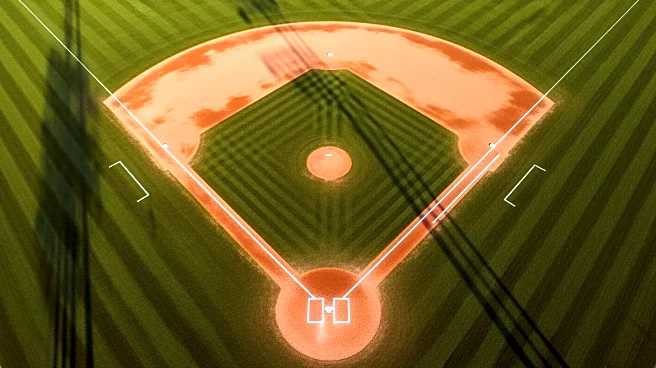


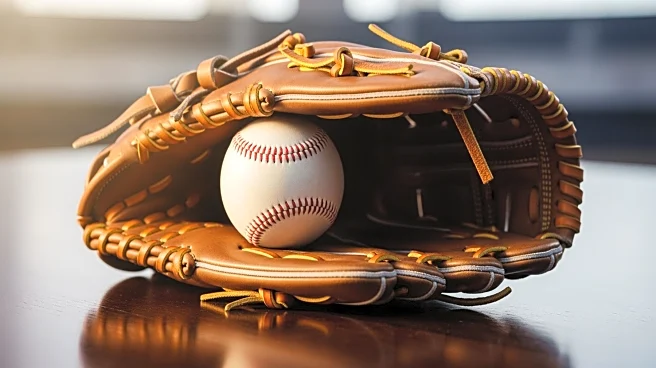
Baseball is a sport that requires a team of nine players, each assigned to a specific fielding position when playing defense. These positions are not just arbitrary; they come with distinct roles and responsibilities that are crucial to the team's success. Understanding these roles can enhance appreciation for the strategic depth of the game.
The Infield Positions
The infield positions consist of the first baseman, second baseman, shortstop, and third baseman. Each has
unique responsibilities that contribute to the team's defensive strategy. The first baseman is primarily responsible for fielding throws from other infielders to get the batter out at first base. This position requires excellent catching skills and the ability to stretch to catch throws that may be off-target.
The second baseman covers the area to the right of second base and often acts as a relay thrower for balls hit to the outfield. The shortstop, positioned between second and third base, is tasked with fielding ground balls and covering second base on steal attempts. The third baseman, known for playing the "hot corner," must have quick reflexes to handle sharply hit balls and a strong arm to make long throws to first base.
The Outfield Positions
The outfield positions include the left fielder, center fielder, and right fielder. These players are responsible for catching fly balls and preventing extra-base hits. The center fielder covers the most ground and is often considered the captain of the outfield, coordinating plays and backing up the corner outfielders.
The left fielder typically handles balls hit to the left side of the field and must be adept at fielding balls off the wall. The right fielder, often possessing the strongest arm, is responsible for making long throws to third base to prevent runners from advancing. Each outfielder must be able to judge the trajectory of fly balls and position themselves accordingly.
The Battery: Pitcher and Catcher
The pitcher and catcher form the battery, a critical component of the team's defense. The pitcher is responsible for delivering pitches to the batter, aiming to get them out through strikeouts or inducing weak contact. The catcher, positioned behind home plate, must catch pitches, prevent stolen bases, and sometimes block the plate to prevent runs.
Together, the pitcher and catcher strategize on pitch selection and location, often adjusting based on the batter's tendencies. The catcher also plays a vital role in directing the infield and outfield players, ensuring the team is positioned optimally for each play.