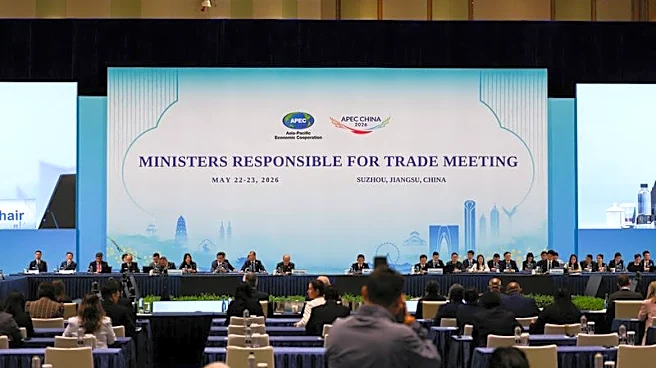







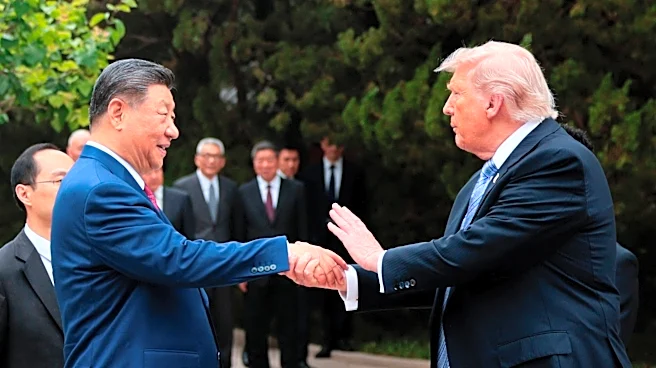
The Indo-Pacific Economic Framework for Prosperity (IPEF) is a strategic initiative launched by the United States in 2022, aimed at countering China's growing influence in the Indo-Pacific region. This framework represents a shift in U.S. foreign policy, focusing on economic engagement rather than military presence.
The Geopolitical Context
The IPEF was introduced as part of the Biden administration's efforts to develop an international economic policy framework that addresses
the challenges posed by China's rise. During the Obama administration, the U.S. negotiated the Trans-Pacific Partnership (TPP) to promote American economic interests in the region. However, the TPP was abandoned by the Trump administration, leaving a void in U.S. economic strategy.
The IPEF aims to fill this gap by fostering economic cooperation among its member countries, which include major economies like Japan, India, and South Korea. By creating a platform for dialogue and collaboration, the U.S. seeks to strengthen its ties with these nations and reduce their reliance on China.
Strategic Objectives of the IPEF
The IPEF is designed to be a precursor for future negotiations, focusing on establishing new rules for the global economy. It does not include tariff reductions, which are typical of traditional trade agreements. Instead, it emphasizes supply chain resilience, clean energy development, and fair economic practices.
The framework's strategic objectives are to enhance economic cooperation, promote sustainable development, and ensure a balanced geopolitical landscape. By engaging with Indo-Pacific countries, the U.S. aims to create a network of allies that can collectively address regional challenges and counterbalance China's influence.
Challenges and Criticisms
Despite its strategic intentions, the IPEF has faced criticism for its lack of concrete policy actions. Some commentators have described it as "hollow" or "meaningless," questioning its effectiveness in achieving its goals. Additionally, the exclusion of Taiwan from the framework has raised concerns about the U.S.'s commitment to supporting its allies.
Chinese officials have criticized the IPEF as an attempt to create divisions and incite confrontation. They argue that the initiative will ultimately fail to achieve its objectives. However, the U.S. remains committed to its strategy, viewing the IPEF as a crucial component of its Indo-Pacific policy.
As the IPEF continues to evolve, its impact on regional dynamics and global trade will be closely monitored. The framework represents a significant shift in U.S. foreign policy, emphasizing economic engagement as a means of addressing geopolitical challenges.