



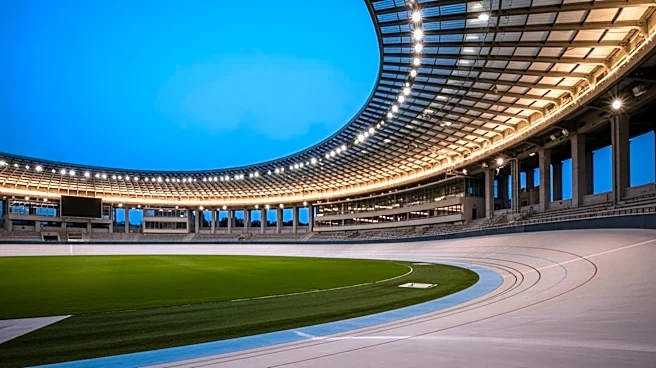

The 1982 FIFA World Cup semi-final between West Germany and France, held at the Ramón Sánchez-Pizjuán Stadium, is often hailed as one of the most thrilling matches in football history. Known as the "Night of Seville," this match captivated fans with its dramatic twists and turns, ultimately being decided by a penalty shoot-out. This article explores the key moments and lasting impact of this legendary encounter.
A Match for the Ages
On July 8, 1982, West Germany and France
faced off in a semi-final match that would go down in history. The game was played in the sweltering heat of Seville, with temperatures still high even at the late start time of 9 PM. Despite the challenging conditions, both teams delivered a performance that kept fans on the edge of their seats.
West Germany took the lead in the 17th minute, but France quickly equalized with a penalty kick by Michel Platini. The match remained tied at 1-1 at the end of regular time, leading to two periods of extra time. During extra time, France surged ahead with two goals, only for West Germany to mount a comeback and level the score at 3-3. The match's intensity and the skill displayed by both teams made it an unforgettable spectacle.
The First Penalty Shoot-Out
With the score tied after extra time, the match proceeded to a penalty shoot-out, marking the first time in World Cup history that a semi-final was decided in this manner. The shoot-out was a tense affair, with both teams converting their initial attempts. However, a missed penalty by France's Maxime Bossis allowed West Germany's Horst Hrubesch to score the winning goal, securing a 5-4 victory for his team.
The penalty shoot-out added an extra layer of drama to an already thrilling match. It showcased the nerves and precision required in such high-pressure situations, further elevating the match's status as a classic in World Cup lore. The outcome propelled West Germany to the final, where they would face Italy.
A Lasting Legacy
The "Night of Seville" remains a defining moment in World Cup history. The match is often cited as one of the greatest due to its dramatic narrative and the quality of play from both teams. French captain Michel Platini described it as his "most beautiful game," highlighting the emotional and competitive intensity of the encounter.
The match's legacy continues to be celebrated by football fans and historians alike. It serves as a reminder of the unpredictable and thrilling nature of the sport, where fortunes can change in an instant. The "Night of Seville" is a testament to the enduring appeal of the World Cup and the unforgettable moments it can produce.