


Glacier Bay National Park and Preserve is a haven for biodiversity, offering a rich tapestry of ecosystems that support a wide array of wildlife. From its lush coastal forests to its icy fjords, the park is a living laboratory of ecological processes and a sanctuary for numerous species. This article delves into the diverse ecosystems of Glacier Bay and the wildlife that calls this stunning landscape home.
Coastal Forests and Alpine Tundra
The ecosystems of Glacier Bay are as varied
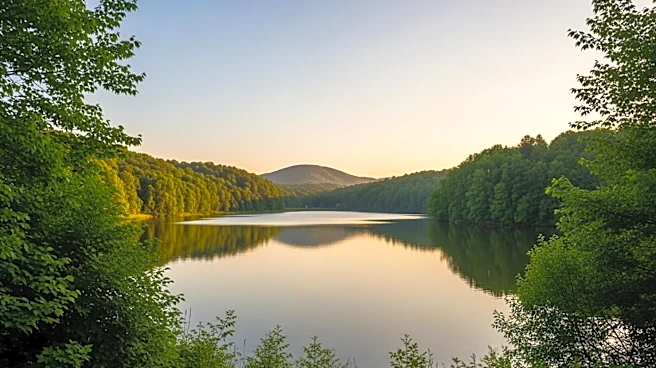
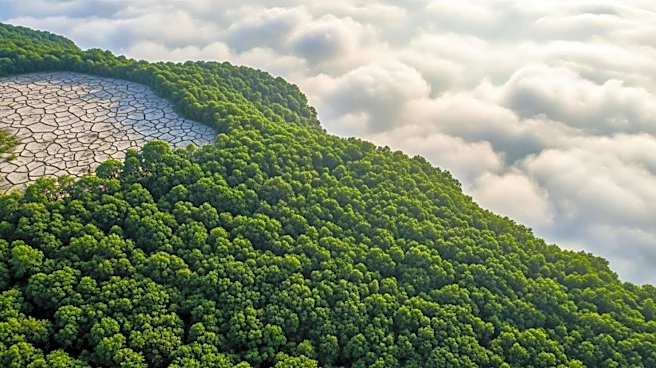
as its landscapes. The coastal forests, dominated by Sitka spruce and Western hemlock, are found primarily in the lower bay. These forests thrive in the park's mild, wet climate and provide habitat for a variety of species. The dense canopy and rich understory support a complex web of life, from small mammals to birds and insects.
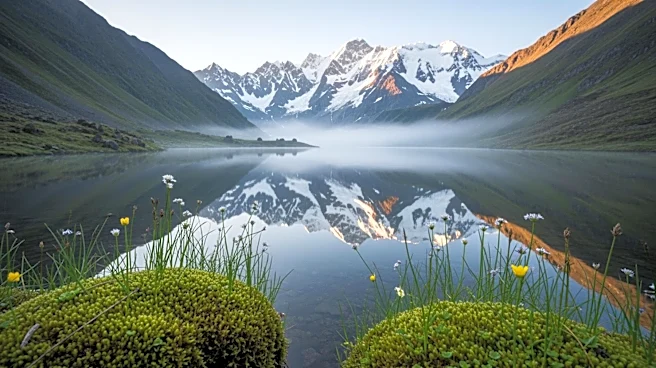
As one moves inland and upward, the landscape transitions to alpine tundra. This ecosystem is characterized by its harsh conditions, with cold temperatures and strong winds. Despite these challenges, the alpine tundra is home to a unique assemblage of plants and animals adapted to survive in this environment. Mountain goats, marmots, and ptarmigans are among the species that make their home in the park's high-altitude regions.
The park's ecosystems are shaped by the dynamic forces of glacial activity. As glaciers retreat, they expose new land, creating opportunities for ecological succession. Pioneer species, such as mosses and lichens, are the first to colonize these newly exposed areas, followed by shrubs and eventually trees. This process of succession is a key focus of ecological research in the park, providing insights into how ecosystems develop and change over time.
Marine Ecosystems and Glacial Fjords
Glacier Bay's marine ecosystems are equally diverse and vital to the park's overall biodiversity. The park's fjords, carved by glaciers over millennia, are filled with seawater and provide a unique habitat for marine life. These deep, narrow inlets are home to a variety of fish, invertebrates, and marine mammals.
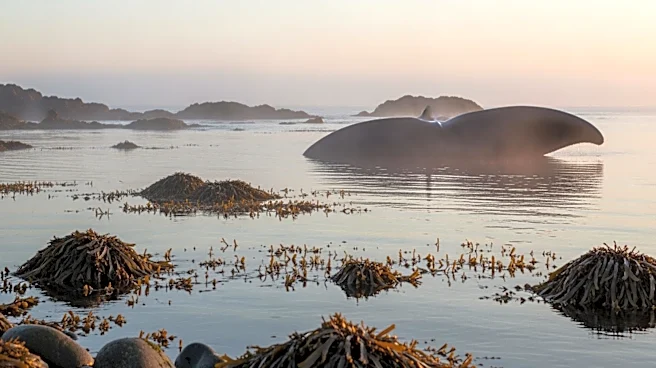
The park's waters are teeming with life, from the smallest plankton to the largest whales. Humpback whales, orcas, and harbor seals are commonly seen in the bay, while sea otters and Steller sea lions can be spotted along the shoreline. The rich marine environment supports a complex food web, with each species playing a vital role in maintaining the ecosystem's balance.
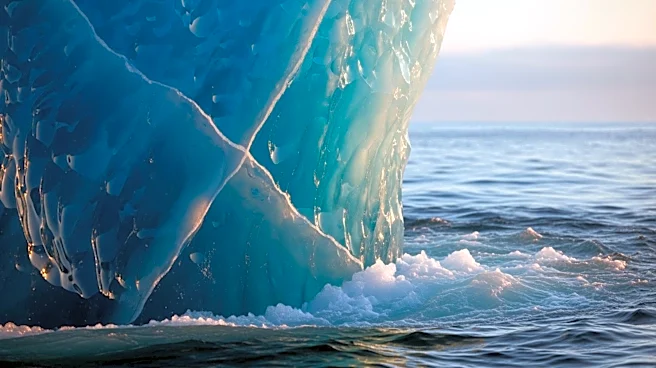
The park's marine ecosystems are also influenced by the presence of tidewater glaciers, which calve icebergs into the bay. These icebergs provide important habitat for seals and other marine life, offering resting and breeding sites. The cold, nutrient-rich waters around the glaciers support a diverse array of marine species, making Glacier Bay a hotspot for marine biodiversity.
Wildlife and Conservation Efforts
Glacier Bay is home to a remarkable diversity of wildlife, from large mammals to tiny insects. The park's terrestrial ecosystems support species such as brown and black bears, moose, and wolves, while its skies are filled with the calls of bald eagles, ravens, and a variety of songbirds. The park's diverse habitats provide critical resources for these species, from food and shelter to breeding sites.
Conservation efforts in Glacier Bay focus on preserving the park's unique ecosystems and the wildlife that depends on them. The National Park Service works to monitor and protect the park's natural resources, ensuring that the delicate balance of its ecosystems is maintained. This includes efforts to mitigate the impacts of climate change, which poses a significant threat to the park's glaciers and the ecosystems they support.
In addition to environmental conservation, the park also works to preserve the cultural heritage of the Tlingit people, who have long inhabited the region. Collaborative efforts with local Native American organizations aim to protect and celebrate the cultural significance of the area, ensuring that the park's history is inclusive of all its inhabitants.
Glacier Bay National Park and Preserve is a testament to the beauty and complexity of nature. Its diverse ecosystems and rich biodiversity make it a vital resource for scientific research and a stunning destination for visitors. As we continue to explore and learn from this remarkable place, we gain a deeper appreciation for the natural world and the importance of preserving it for future generations.