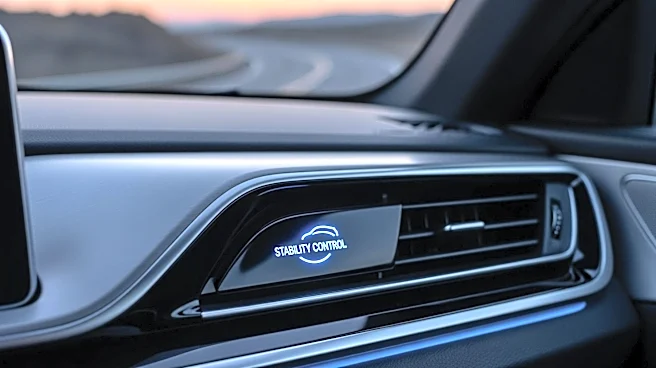






Lane departure warning systems (LDWS) are a crucial part of modern vehicle safety technology, designed to alert drivers when their vehicle begins to drift out of its lane. These systems aim to reduce accidents caused by driver error, distractions, and drowsiness. By using cameras and sensors to monitor lane markings, LDWS provide timely warnings to help drivers maintain their lane, thereby enhancing road safety.
How Lane Departure Warning Systems Work
Lane departure warning systems utilize
a combination of cameras and sensors to detect lane markings on the road. Typically, these cameras are mounted behind the windshield, often near the rear-view mirror, to capture a clear view of the road ahead. The system continuously monitors the vehicle's position relative to the lane markings. If the vehicle begins to drift out of its lane without the use of a turn signal, the system triggers an alert.
The alerts can vary depending on the vehicle and system design. Common warning methods include audible sounds, visual signals on the dashboard, or vibrations in the steering wheel or driver's seat. These alerts are designed to catch the driver's attention and prompt corrective action to steer the vehicle back into its lane. Importantly, the system does not activate if the driver uses a turn signal, indicating an intentional lane change.
The Role of Lane Departure Warning Systems in Safety
Lane departure warning systems play a significant role in preventing accidents, particularly those caused by driver inattention or fatigue. By providing early warnings, these systems help reduce the likelihood of collisions resulting from unintentional lane departures. This is especially important on highways and arterial roads, where high speeds can make lane departures particularly dangerous.
The effectiveness of LDWS in enhancing safety has led to increased interest from regulatory bodies. For instance, the U.S. National Highway Traffic Safety Administration (NHTSA) has studied the potential benefits of mandating these systems in vehicles. The goal is to reduce the number of accidents and fatalities on the road by encouraging the adoption of advanced safety technologies like LDWS.
Limitations and Future Developments
While lane departure warning systems offer significant safety benefits, they are not without limitations. The systems rely on clear lane markings to function effectively, which can be problematic in areas with faded or missing lines. Additionally, adverse weather conditions such as snow or heavy rain can obscure lane markings, reducing the system's effectiveness.
Despite these challenges, ongoing advancements in vehicle safety technology continue to improve the reliability and functionality of LDWS. Future developments may include enhanced sensors and algorithms capable of better detecting lane markings in various conditions. As technology evolves, lane departure warning systems are expected to become even more integral to vehicle safety, contributing to safer roads for all drivers.