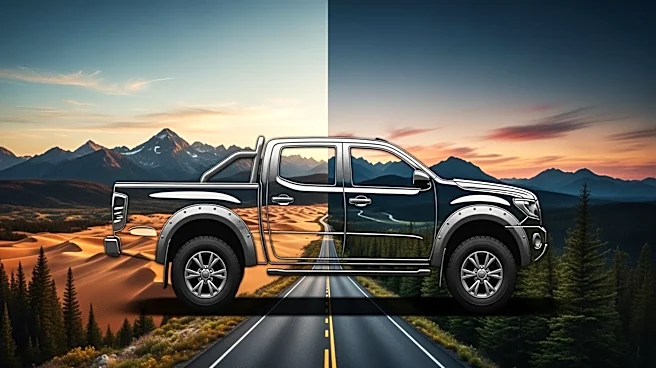


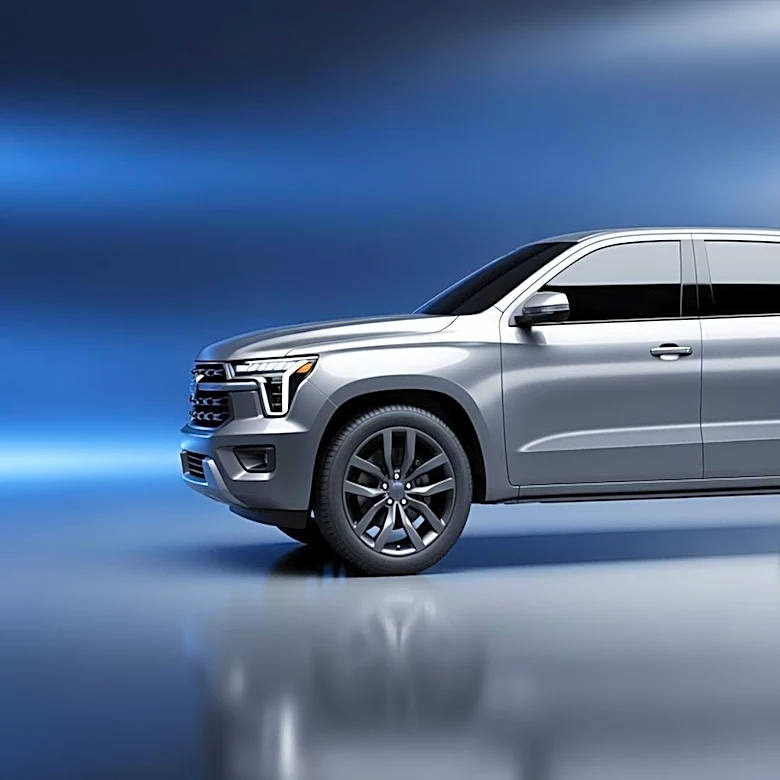



The Ford Ranger has been a staple in the pickup truck market since its introduction. Initially launched in 1982, the Ranger has undergone significant transformations to meet the demands of a global audience. This article explores the evolution of the Ford Ranger, focusing on its development from a compact pickup to a mid-size truck with a global reach.
Early Beginnings and Initial Development
The Ford Ranger was first introduced in North America in 1982 for the 1983 model year. It was designed
to replace the Mazda-sourced Ford Courier, marking Ford's entry into the compact pickup truck market. The Ranger was developed to meet the growing demand for smaller, more fuel-efficient trucks, a trend that was gaining momentum in the early 1980s.
Initially, the Ranger was produced in the United States and was available in various configurations, including different cab sizes and bed lengths. The first-generation Ranger was known for its versatility and adaptability, which helped it gain popularity among consumers looking for a reliable and efficient pickup truck.
Global Expansion and Collaboration with Mazda
In 1998, Ford expanded the Ranger's reach by introducing an international version developed in collaboration with Mazda. This version was primarily aimed at markets outside the Americas and was produced in Thailand and South Africa. The international Ranger shared many components with the Mazda B-Series, which helped streamline production and reduce costs.
The collaboration with Mazda allowed Ford to leverage Mazda's expertise in compact truck design, resulting in a vehicle that was well-suited for global markets. The international Ranger was marketed under different names, including the Ford Courier in Australia and New Zealand, before the Ranger nameplate was universally adopted.
The T6 Platform and Modernization
In 2011, Ford introduced the T6 platform, which marked a significant shift in the Ranger's design and capabilities. Developed by Ford Australia, the T6 Ranger was designed to be a global model, replacing both the North American and Mazda-based versions. This new platform allowed the Ranger to be marketed in North America once again, starting in 2019.
The T6 Ranger featured a more robust design, improved safety features, and a range of engine options, including advanced diesel engines. The platform's flexibility allowed Ford to tailor the Ranger to meet the specific needs of different markets, ensuring its continued success worldwide.
The Ford Ranger's evolution from a compact pickup to a globally recognized mid-size truck highlights its adaptability and enduring appeal. By continuously innovating and responding to market demands, Ford has ensured that the Ranger remains a popular choice for consumers around the world.