

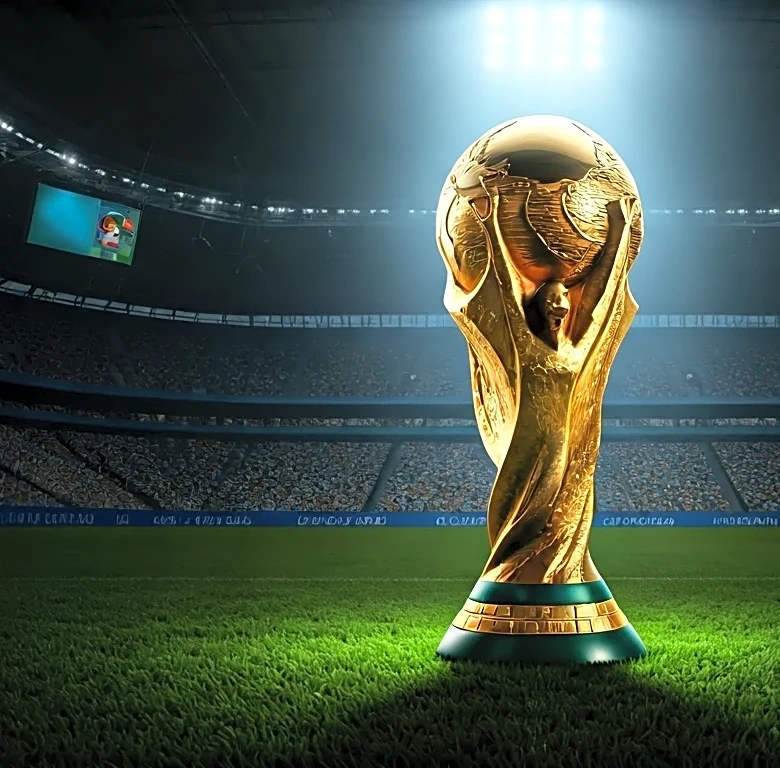






Argentina's triumph in the 1986 FIFA World Cup final was a result of strategic gameplay and exceptional performances by key players. Held in Mexico City at the Estadio Azteca, the final saw Argentina defeat West Germany 3-2. This article examines the strategies and pivotal moments that led to Argentina's success in this historic match.
Strategic Gameplay and Key Players
Argentina's strategy in the 1986 final was marked by aggressive play and tactical precision. The team took an early
lead with José Luis Brown's header in the 23rd minute, capitalizing on a mistake by the German goalkeeper. This early goal set the tone for Argentina's offensive approach, which was further demonstrated by Jorge Valdano's goal in the second half. Valdano's ability to cut in from the left and finish with a low side-foot shot showcased Argentina's attacking prowess.
A crucial aspect of Argentina's strategy was the role of Diego Maradona. Although heavily marked by Lothar Matthäus, Maradona's influence on the game was undeniable. His ability to create opportunities for his teammates was evident in the decisive pass to Jorge Burruchaga, which led to Argentina's third goal. Maradona's vision and skill were instrumental in breaking through the German defense and securing the victory.
Overcoming Challenges and Securing the Win
Despite Argentina's strong start, the team faced significant challenges as West Germany mounted a comeback. The German side, known for their resilience, managed to equalize the score with goals from Karl-Heinz Rummenigge and Rudi Völler. This comeback tested Argentina's resolve and required them to adapt their strategy to maintain their lead.
Argentina's ability to respond to West Germany's pressure was a testament to their tactical flexibility and mental fortitude. The team's focus and determination were evident in the final minutes of the match, as they held on to their lead despite the German onslaught. The decisive goal by Jorge Burruchaga, assisted by Maradona, was a result of Argentina's quick counter-attacking play and ability to exploit defensive gaps.
Celebrating a Historic Victory
Argentina's victory in the 1986 World Cup final was a momentous achievement for the team and the nation. It marked their second World Cup title, following their win in 1978. The triumph was celebrated as a testament to the skill and determination of the Argentine players and coaching staff.
The 1986 final remains a significant chapter in Argentina's soccer history, highlighting the team's strategic brilliance and the impact of key players like Maradona. This victory not only solidified Argentina's status as a soccer powerhouse but also left a lasting legacy in the world of sports.