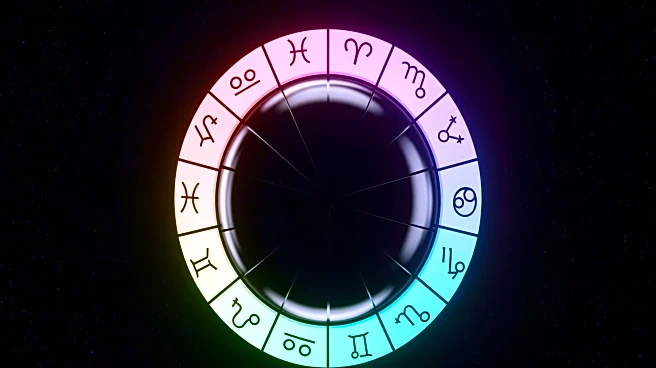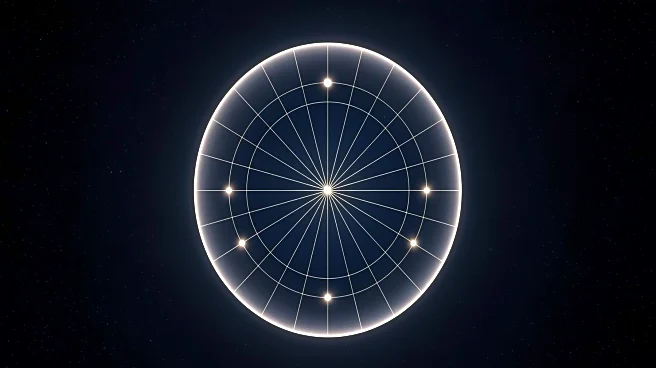




The Equal House System is a method of dividing the astrological chart into twelve equal sections, each representing a house. This system is based on the horizon and differs from other house division methods, such as the whole sign houses, where the first house starts at the ascendant. The Equal House System is one of several methods used in astrology to interpret the influence of celestial bodies on human affairs.
The Structure of the Equal House System
In the Equal House System, the astrological
chart is divided into twelve equal parts, each corresponding to one of the twelve houses. This division is based on the horizon, ensuring that each house is of equal size. This method contrasts with the whole sign house system, where the first house begins at the ascendant, and each subsequent house follows the sequence of zodiac signs.
The Equal House System provides a straightforward approach to house division, making it easier for astrologers to interpret the chart. By dividing the chart into equal sections, astrologers can focus on the specific influences of each house without the complications that arise from unequal house sizes. This simplicity is one of the reasons why the Equal House System remains popular among astrologers.
Differences from Other House Systems
The Equal House System is distinct from other house division methods, such as the Placidus or Koch systems, which use complex calculations to determine house sizes based on the time and location of birth. These systems often result in houses of varying sizes, which can complicate the interpretation of the chart.
In contrast, the Equal House System maintains uniformity, with each house occupying an equal portion of the chart. This uniformity allows for a more consistent analysis of the astrological influences, as each house is given equal weight in the interpretation. This can be particularly beneficial for beginners in astrology, as it simplifies the process of understanding the chart.
The Role of the Horizon in the Equal House System
The horizon plays a crucial role in the Equal House System, as it serves as the basis for dividing the chart into equal sections. The horizon represents the line where the sky meets the earth, and it is used to establish the starting point for the first house.
By using the horizon as a reference, the Equal House System ensures that each house is aligned with the natural divisions of the sky. This alignment is believed to enhance the accuracy of the astrological interpretation, as it reflects the actual positions of celestial bodies relative to the observer's location.
Overall, the Equal House System offers a balanced and straightforward approach to astrology, making it a valuable tool for both novice and experienced astrologers.