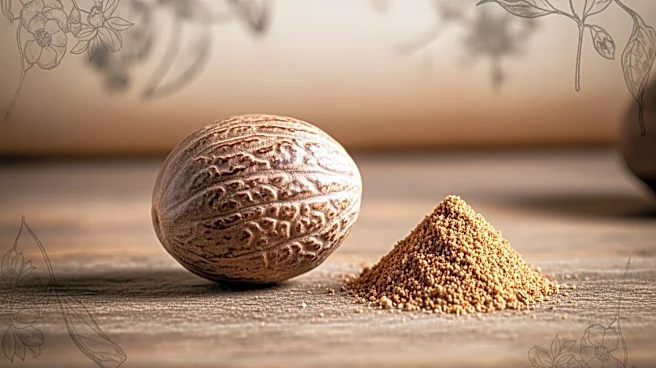







Nutmeg, a spice derived from the seed of the Myristica fragrans tree, has a rich history that extends beyond its culinary uses. Its journey from the Banda Islands to becoming a global commodity is intertwined with tales of exploration, trade, and cultural symbolism. Nutmeg's historical and cultural significance is as complex as its flavor, making it a fascinating subject of study.
Historical Significance and Trade
The Banda Islands in Indonesia are the native home of nutmeg, and for
centuries, they were the only source of this valuable spice. Nutmeg's high value made it a sought-after commodity in the spice trade, attracting the attention of European explorers and traders. The Portuguese were among the first Europeans to reach the Banda Islands in the early 16th century, but it was the Dutch who eventually established a monopoly on nutmeg production.
The Dutch East India Company's control over the Banda Islands was marked by conflict and strict measures to maintain their monopoly. However, during the Napoleonic Wars, the British managed to break this monopoly by transplanting nutmeg trees to other colonies, ensuring the spice's spread beyond the Banda Islands. This marked a turning point in nutmeg's history, as it became more accessible to global markets.
Cultural Symbolism and Uses
Nutmeg's cultural significance extends beyond its role in trade. In various cultures, nutmeg has been associated with psychoactive and aphrodisiac effects, although clinical evidence is lacking. Its symbolic meanings have evolved over time, reflecting the spice's complex history and its impact on different societies.
In addition to its symbolic meanings, nutmeg has been used in traditional medicine and as a folk remedy for various ailments. However, it is important to note that nutmeg has no proven medicinal value, and high doses can cause serious toxic effects. Despite this, its cultural significance remains, as it continues to be used in rituals and traditional practices.
Nutmeg in Modern Culture
Today, nutmeg is a common spice in kitchens around the world, used to enhance both sweet and savory dishes. Its warm, aromatic flavor is synonymous with holiday baking and festive drinks, such as eggnog and mulled wine. Nutmeg's journey from a remote Indonesian island to a global commodity underscores its enduring appeal and cultural significance.
In conclusion, nutmeg's history and cultural significance are as rich and complex as its flavor. From its origins in the Banda Islands to its role in global trade and cultural symbolism, nutmeg continues to captivate and inspire, making it a spice with a truly remarkable story.