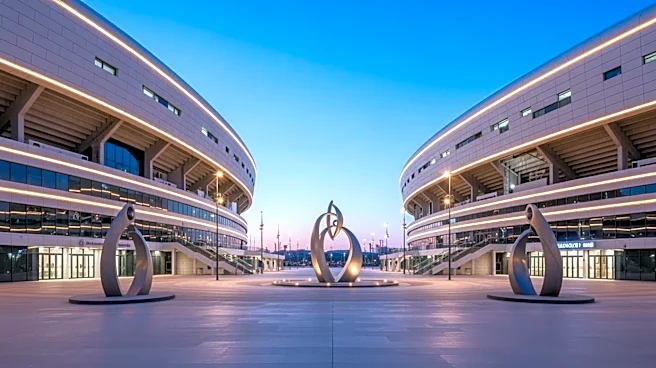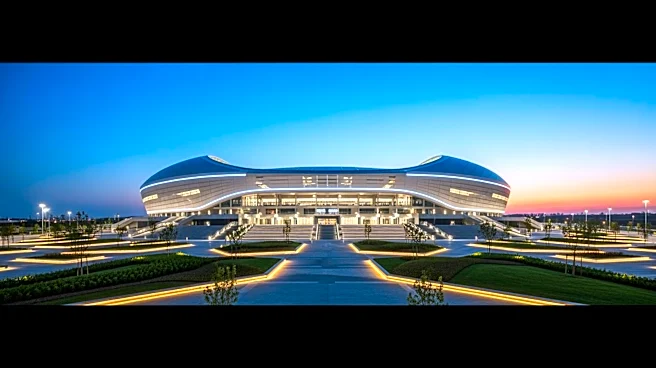







Noevir Stadium Kobe, located in Kobe, Japan, played a notable role during the 2002 FIFA World Cup. This stadium, with a capacity of 30,132, was one of the venues selected to host matches in this prestigious international tournament. The 2002 FIFA World Cup was a significant event as it was the first time the tournament was held in Asia, co-hosted by Japan and South Korea. Noevir Stadium Kobe's involvement in this global event highlights its importance
in the world of football.
Noevir Stadium Kobe's Contribution
During the 2002 FIFA World Cup, Noevir Stadium Kobe was one of the ten stadiums in Japan chosen to host matches. This selection was a testament to the stadium's quality and its ability to accommodate international football events. The stadium's capacity of 30,132 allowed it to host a large number of spectators, contributing to the vibrant atmosphere that is characteristic of World Cup matches.
The inclusion of Noevir Stadium Kobe in the World Cup lineup also underscored Japan's commitment to providing top-notch facilities for the tournament. The stadium's infrastructure and location in Kobe made it an ideal venue for hosting international teams and fans from around the world. This event not only showcased the stadium but also highlighted Kobe as a city capable of hosting large-scale international events.
The Impact on Kobe
Hosting a World Cup match brought significant attention to Kobe, enhancing its reputation on the global stage. The influx of international visitors for the World Cup provided a boost to the local economy, with businesses benefiting from increased tourism. Hotels, restaurants, and local attractions saw a surge in visitors, contributing to the city's economic growth during the tournament.
Moreover, the World Cup provided an opportunity for cultural exchange, as fans from different countries converged in Kobe. This cultural interaction fostered a sense of global community and showcased Kobe's hospitality and cultural richness. The event also left a lasting legacy in terms of infrastructure improvements and increased international awareness of Kobe as a travel destination.
Legacy of the 2002 FIFA World Cup
The 2002 FIFA World Cup was a landmark event for Japan and South Korea, marking the first time the tournament was held in Asia. Noevir Stadium Kobe's participation in this historic event is a point of pride for the city and its residents. The successful hosting of World Cup matches demonstrated Japan's capability to organize and execute large-scale international events.
The legacy of the World Cup continues to influence Kobe, as the stadium remains a key venue for football and other sporting events. The experience gained from hosting the World Cup has paved the way for future international events, ensuring that Noevir Stadium Kobe remains a significant player in the world of sports.