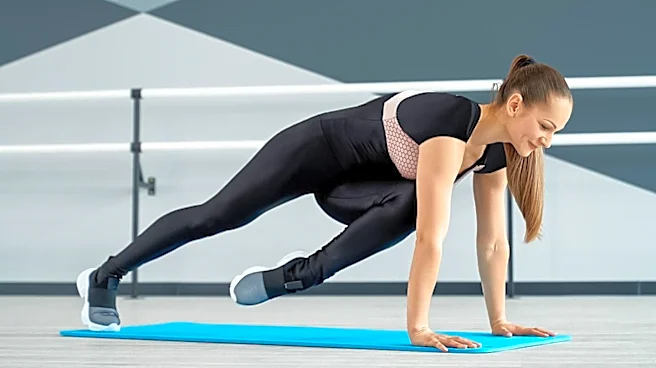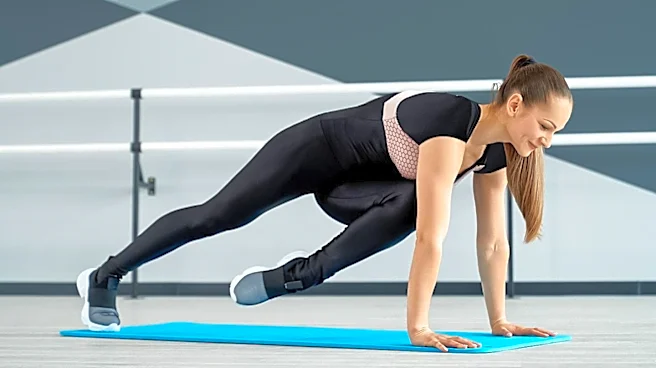

Dynamic stretching has become an essential component of athletic training, offering numerous benefits that enhance performance and reduce the risk of injury. Unlike static stretching, which was traditionally
used before exercise, dynamic stretching involves active movements that prepare the body for physical exertion. This article delves into the advantages of dynamic stretching for athletes and how it has transformed training routines.
Enhancing Range of Motion
Dynamic stretching is characterized by its ability to increase the range of motion in joints. This type of stretching involves moving parts of the body through a full range of motion, which helps to release energy and properly time muscle contractions. By doing so, athletes can achieve greater flexibility and mobility, which are crucial for optimal performance in sports. The increased range of motion not only aids in executing movements more effectively but also contributes to better posture and overall physical health.
The practice of dynamic stretching has gained popularity among coaches and sports trainers who recognize its role in improving athletic performance. By incorporating dynamic stretches into warm-up routines, athletes can ensure that their muscles are adequately prepared for the demands of their sport. This preparation is vital for activities that require quick changes in direction, explosive movements, and sustained physical effort.
Boosting Blood and Oxygen Flow
One of the key benefits of dynamic stretching is its ability to increase blood and oxygen flow to the muscles. As athletes perform dynamic stretches, their heart rate gradually increases, promoting better circulation throughout the body. This enhanced blood flow delivers more oxygen and nutrients to the muscles, which is essential for maintaining energy levels and preventing fatigue during exercise.
The improved circulation also aids in the removal of metabolic waste products, such as lactic acid, which can accumulate during intense physical activity. By reducing the buildup of these waste products, dynamic stretching helps athletes recover more quickly and maintain peak performance levels. This physiological advantage is particularly important for endurance athletes who rely on sustained energy output.
Reducing Injury Risk
Dynamic stretching plays a crucial role in reducing the risk of injury for athletes. By preparing the muscles and joints for the demands of physical activity, dynamic stretching helps to prevent strains, sprains, and other common sports-related injuries. The active movements involved in dynamic stretching mimic the motions that athletes will perform during their sport, allowing the body to adapt and respond more effectively.
In addition to its physical benefits, dynamic stretching also has a positive impact on mental readiness. The focused and deliberate nature of dynamic stretching routines helps athletes to concentrate and mentally prepare for competition. This mental preparation is an often-overlooked aspect of injury prevention, as a focused mind can lead to better decision-making and reaction times during play.
In conclusion, dynamic stretching is a valuable tool for athletes seeking to enhance their performance and reduce the risk of injury. By incorporating dynamic stretches into their training routines, athletes can improve their range of motion, boost circulation, and prepare both physically and mentally for the demands of their sport. As the understanding of dynamic stretching continues to evolve, its role in athletic training is likely to become even more prominent.