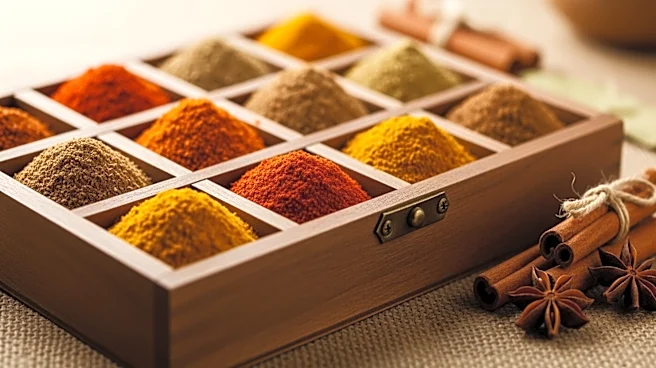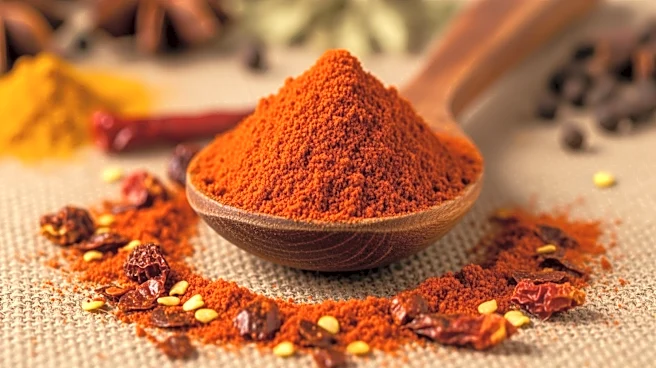

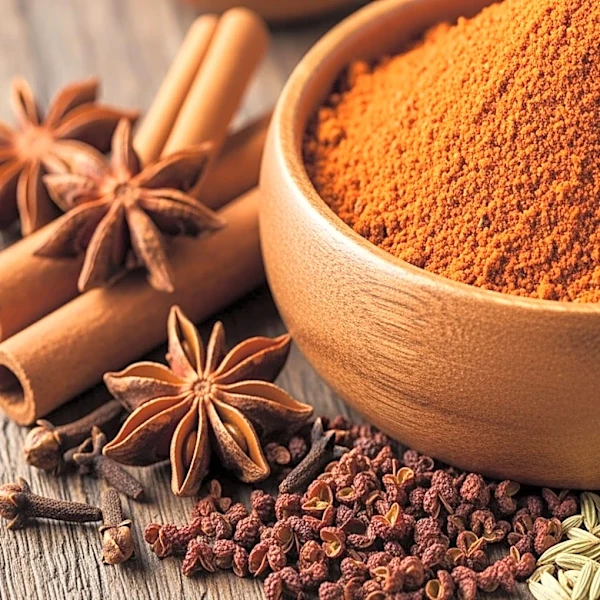
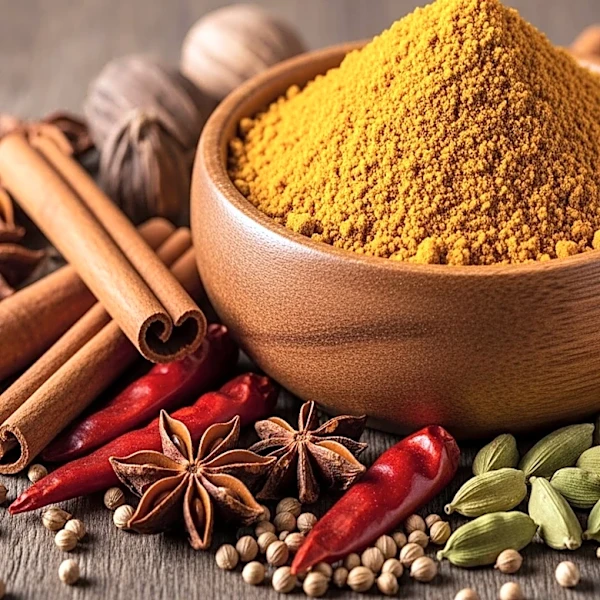


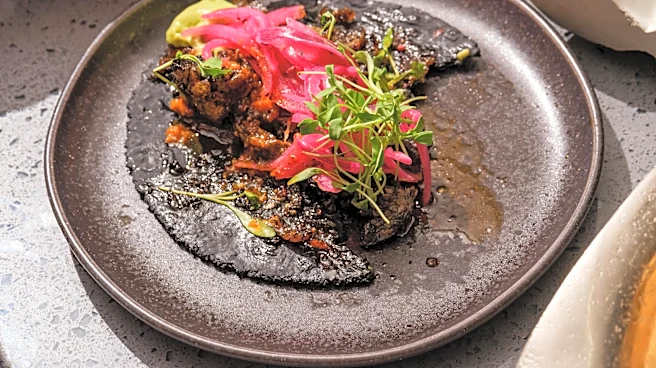
Chili powder, a versatile spice blend, has found its way into kitchens around the world, enhancing dishes with its distinctive heat and flavor. From the fiery curries of India to the savory stews of Mexico, chili powder plays a crucial role in a wide array of culinary traditions. This article explores how different cultures have embraced and adapted chili powder to suit their unique tastes and cooking styles.
The Spice of Tex-Mex
In the United States, particularly in the southwestern
region, chili powder is a cornerstone of Tex-Mex cuisine. This fusion of Texan and Mexican culinary traditions relies heavily on the bold flavors of chili powder to season dishes like chili con carne, tacos, and enchiladas. The spice blend typically includes ground chili peppers, cumin, garlic, and onion powder, creating a robust seasoning that complements the rich, hearty ingredients commonly used in Tex-Mex cooking.
The popularity of Tex-Mex cuisine has helped spread the use of chili powder across the United States, where it is now a staple in many households. Its versatility allows it to be used in a variety of dishes, from soups and stews to marinades and rubs for grilled meats.
Asian Adaptations
Chili powder has also made its mark in Asian cuisines, where it is used to add heat and depth to a range of dishes. In India, for example, chili powder is a key ingredient in many curries and spice blends, contributing to the complex flavors that characterize Indian cooking. The Kashmiri chili powder, known for its bright red color and mild heat, is particularly popular in Indian cuisine.
In Korea, gochugaru, a type of chili powder made from sun-dried Korean red chili peppers, is a staple in Korean cooking. It is used to season kimchi, soups, and stews, imparting a spicy, sweet, and slightly smoky flavor. The unique taste of gochugaru has made it an essential component of Korean cuisine, influencing dishes both traditional and modern.
African and Latin American Influences
Chili powder is also prevalent in African and Latin American cuisines, where it is used to add heat and flavor to a variety of dishes. In Nigeria, for example, chili powder is a common ingredient in traditional soups and stews, while in Mexico, it is used to season everything from tacos to tamales.
The adaptability of chili powder has allowed it to transcend cultural boundaries, becoming a beloved spice in kitchens worldwide. Its ability to enhance and elevate the flavors of diverse dishes speaks to its universal appeal and enduring popularity.