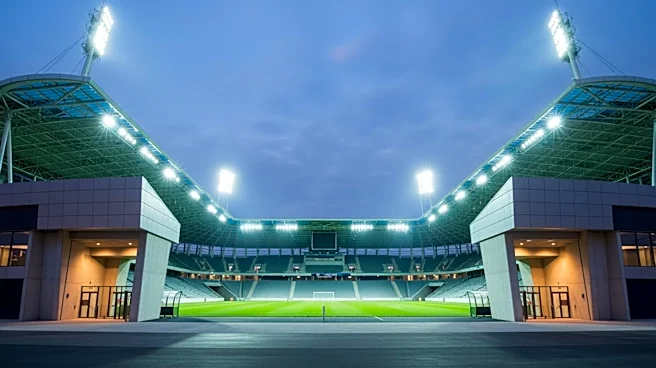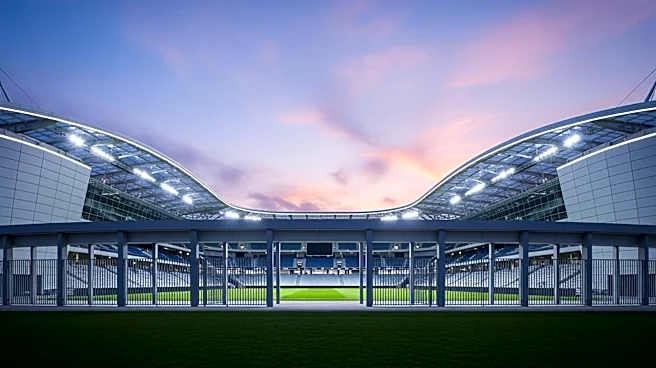




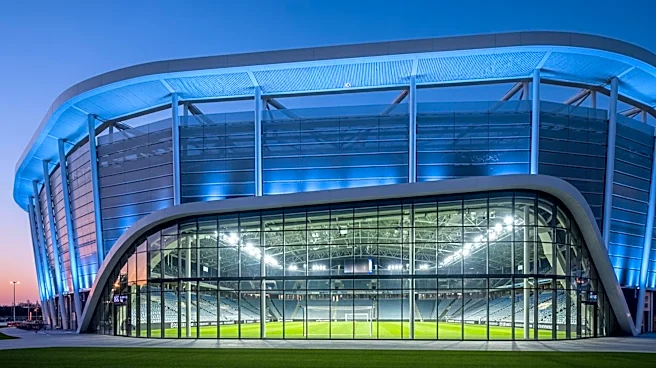


Ellis Park Stadium, located in Johannesburg, South Africa, has a storied history that reflects its evolution as a premier sports venue. From its early days to its role in major international events, Ellis Park has been a central figure in South Africa's sporting landscape. This article explores the stadium's development and its significance over the years.
Early Beginnings and Construction
The origins of Ellis Park Stadium date back to 1927 when the Transvaal Rugby Football Union sought
a new venue. The area chosen for the stadium was a quarry and garbage dump in Doornfontein, which was made available by J. D. Ellis, after whom the stadium is named. Construction began with a budget of £5,000, and the stadium was completed in just eight months.
The first test match at Ellis Park was played in June 1928 against the All Blacks, marking the beginning of its association with rugby. Over the years, the stadium became synonymous with the sport, hosting numerous high-profile matches and drawing large crowds. Its capacity and facilities have been upgraded several times to accommodate the growing number of spectators and the demands of modern sports events.
Major Renovations and Modernization
Ellis Park underwent significant renovations in 1982, transforming it into the most modern stadium in South Africa at the time. The upgrades increased its capacity to nearly 60,000, allowing it to host larger events. The stadium's management was placed under a trust, ensuring its financial stability and continued development.
In 2008, further renovations were undertaken in preparation for the 2010 FIFA World Cup. These improvements included increasing the seating capacity to 62,000 and enhancing various facilities, such as the Presidential suite and changing rooms. The R500 million investment ensured that Ellis Park met international standards and could host World Cup matches successfully.
Ellis Park's Legacy and Impact
Ellis Park Stadium has played a pivotal role in South Africa's sports history, hosting events like the 1995 Rugby World Cup final and the 2010 FIFA World Cup. Its significance extends beyond sports, as it has also been a venue for concerts and other large gatherings. The stadium's ability to adapt and modernize has kept it relevant and vital to Johannesburg's cultural and sporting life.
The legacy of Ellis Park is one of resilience and transformation. It stands as a symbol of South Africa's passion for sports and its capacity to host world-class events. The stadium's history is a testament to its enduring importance and its role in shaping the country's sporting identity.