





"Rikki Don't Lose That Number" is a standout track by Steely Dan, known for its intricate musical composition and craftsmanship. Released in 1974 as part of their album "Pretzel Logic," the song became the band's most successful single, reaching number four on the Billboard Hot 100. This article delves into the musical elements that make this song a classic, highlighting the contributions of various musicians and the unique sound that Steely Dan crafted.
The Unique Sound of Steely Dan
Steely Dan's music is often characterized by its blend of rock, jazz, and pop elements, and "Rikki Don't Lose That Number" is no exception. The song opens with a distinctive riff that closely resembles the introduction to Horace Silver's jazz classic "Song for My Father." This borrowing of jazz elements is a hallmark of Steely Dan's style, showcasing their ability to blend different genres seamlessly.
The song features a guitar solo by Jeff Baxter, who was a key member of Steely Dan at the time. Baxter's solo adds a layer of complexity and flair to the track, demonstrating his skill and the band's commitment to high-quality musicianship. His contribution is a testament to the collaborative nature of Steely Dan's music, where each musician's input is valued and integral to the final product.
Instrumentation and Production
The production of "Rikki Don't Lose That Number" is another aspect that sets it apart. The song was recorded at The Village Recorder in Los Angeles, a studio known for its high-quality sound. The production was overseen by Gary Katz, who worked closely with band members Donald Fagen and Walter Becker to achieve the desired sound.
Jim Gordon, a renowned session drummer, played the drums on the track, adding a solid rhythmic foundation. The song also features a flapamba introduction by Victor Feldman, although this was removed from the original single release. The inclusion of such unique instruments and sounds is indicative of Steely Dan's innovative approach to music production.
The Legacy of 'Rikki Don't Lose That Number'
"Rikki Don't Lose That Number" remains a significant part of Steely Dan's legacy, not only for its commercial success but also for its artistic merit. The song's smooth and accessible sound helped it become a favorite among fans and critics alike. Stewart Mason of AllMusic described it as one of the band's most accessible tracks, highlighting its appeal to a broad audience.
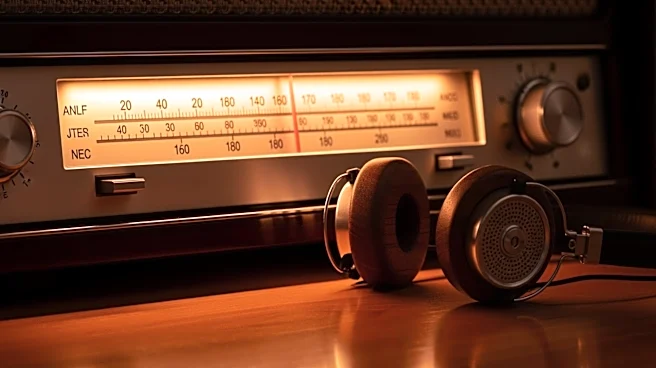
The song's success also played a crucial role in re-establishing Steely Dan's presence on the radio, following the less favorable reception of their previous work. It stands as a testament to the band's ability to craft songs that are both musically sophisticated and widely appealing, securing their place in the annals of rock history.