





Dog crates are versatile tools that serve multiple purposes, from training to transportation. They come in various types, each designed to meet specific needs and preferences. Understanding the differences between these types can help pet owners make informed decisions about which crate is best for their dog.
Solid Plastic Crates
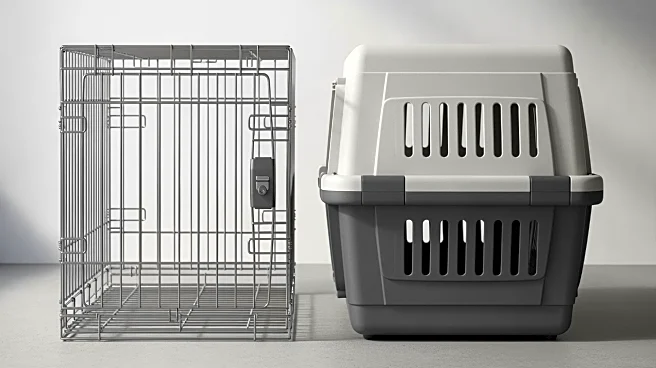
Solid plastic crates are a popular choice for pet owners who frequently travel with their dogs. These crates are particularly suitable for air
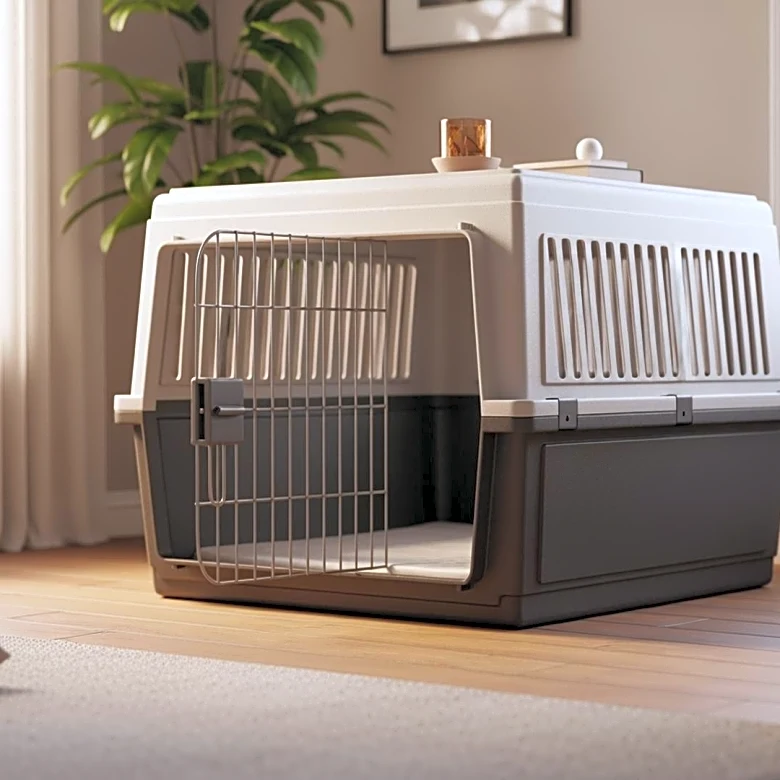
travel, as they provide a secure and enclosed space that protects the dog during the journey. The solid walls offer a den-like feel, which can be comforting for dogs who prefer a more enclosed environment.
However, solid plastic crates have their drawbacks. They are bulky and do not fold for storage, making them less convenient for those with limited space. Despite this, their durability and safety features make them a preferred option for many pet owners who prioritize security during travel.
Wire Crates
Wire crates are another common type of dog crate, known for their versatility and ease of use. These crates can be folded for storage or transport, making them a practical choice for pet owners who need a portable solution. Wire crates provide excellent airflow and visibility, which can be beneficial for dogs who like to see their surroundings.
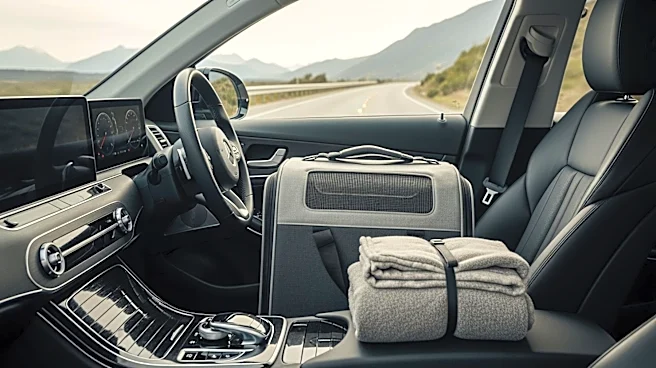
These crates are often used in car travel, veterinary hospitals, and kennels. They are also popular at dog shows, where the clear view allows spectators to see the dogs easily. However, wire crates may not offer the same level of protection as solid plastic crates, especially in the event of an accident.
Specialty Crates
In addition to the standard types, there are specialty crates designed for specific purposes. Aluminum crates, for example, are lightweight and strong, making them ideal for use in breeding kennels or as a permanent den inside the home. They offer excellent airflow and visibility, and some models come with solid walls for dogs who prefer a more enclosed space.
Soft-sided crates and dog tents are other options for pet owners who need a lightweight and portable solution. These crates are easy to fold and transport, making them suitable for activities like hiking or camping. However, they are not recommended for dogs who are prone to chewing or digging, as they may not withstand such behavior.
Choosing the right type of dog crate depends on various factors, including the dog's size, behavior, and the owner's specific needs. By understanding the different types of crates available, pet owners can select the best option to ensure their dog's comfort and safety.